
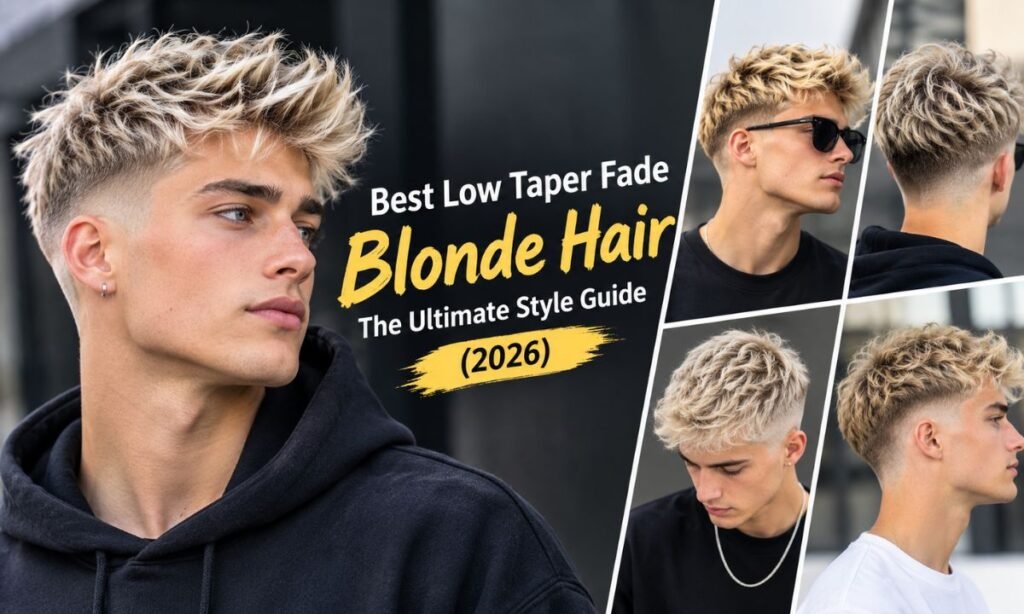

Want a haircut that makes blonde hair look sharp, not sloppy? A low taper fade Blonde Hiar is your best bet.It keeps the sides neat, leaves length on top, and lets light hair look planned instead of accidental.Maybe you’re wondering if it will suit your face. Maybe you’re scared the color will look washed out under the clippers.
Maybe you just don’t know what to tell the barber. Those worries are normal, and this guide answers every one of them.You’ll learn what the cut is, who it flatters, 12 styles worth saving, and how to order it without stress.You’ll also get a simple routine to keep blonde bright. Grab a coffee and let’s go step by step.Low Taper Fade Blonde Hair fully explained!
What is a low taper fade on blonde hair?
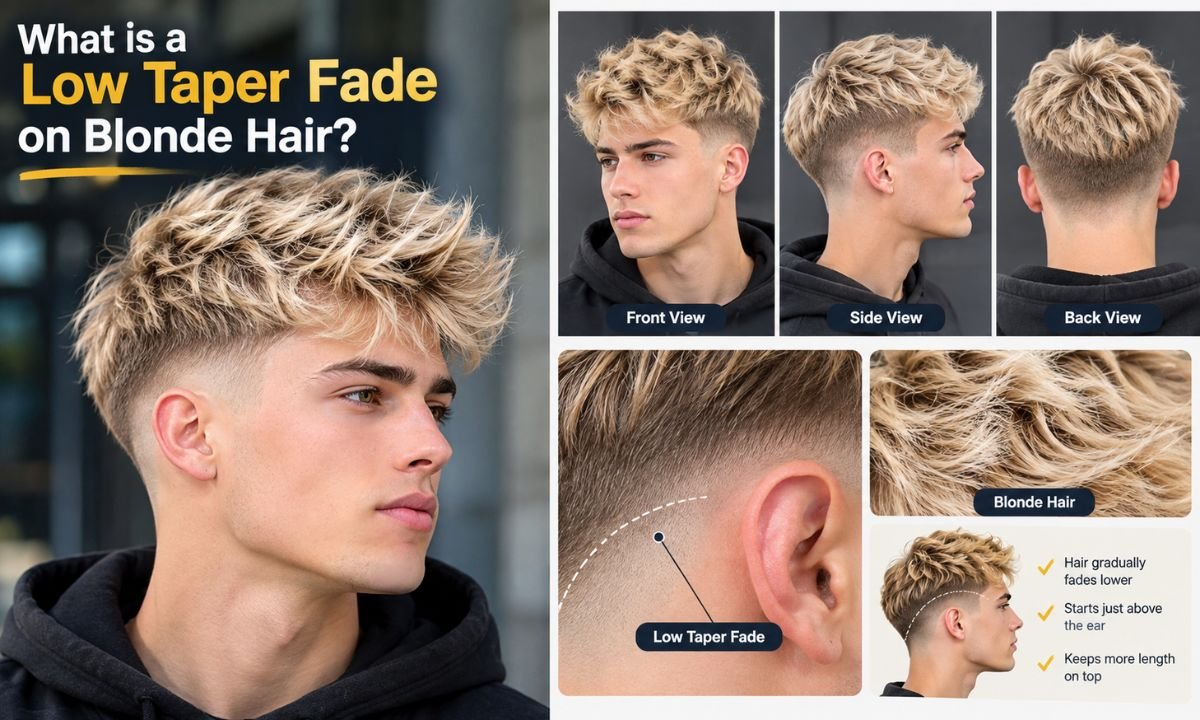
A low taper fade is a short back and sides cut where the hair gets gradually shorter near the sideburns, the ears, and the neckline. The change happens low on the head, so most of the sides keep some length.Think of it as a soft landing instead of a steep drop. The top stays long enough to style however you like.
On blonde hair, the cut does extra work. Light strands catch light differently, so the gradient looks smooth and airy instead of harshThat’s why so many people with bleach blonde, platinum blonde, and dirty blonde hair pick this cut first.
It’s also one of the easiest fades to grow out. There’s no bald line to chase, so you won’t panic two weeks later.
Most barbers build it with a clipper guard system, usually starting near a #1 or #2 at the bottom and blending up to a #3 or #4.
Low taper fade vs low fade vs skin fade
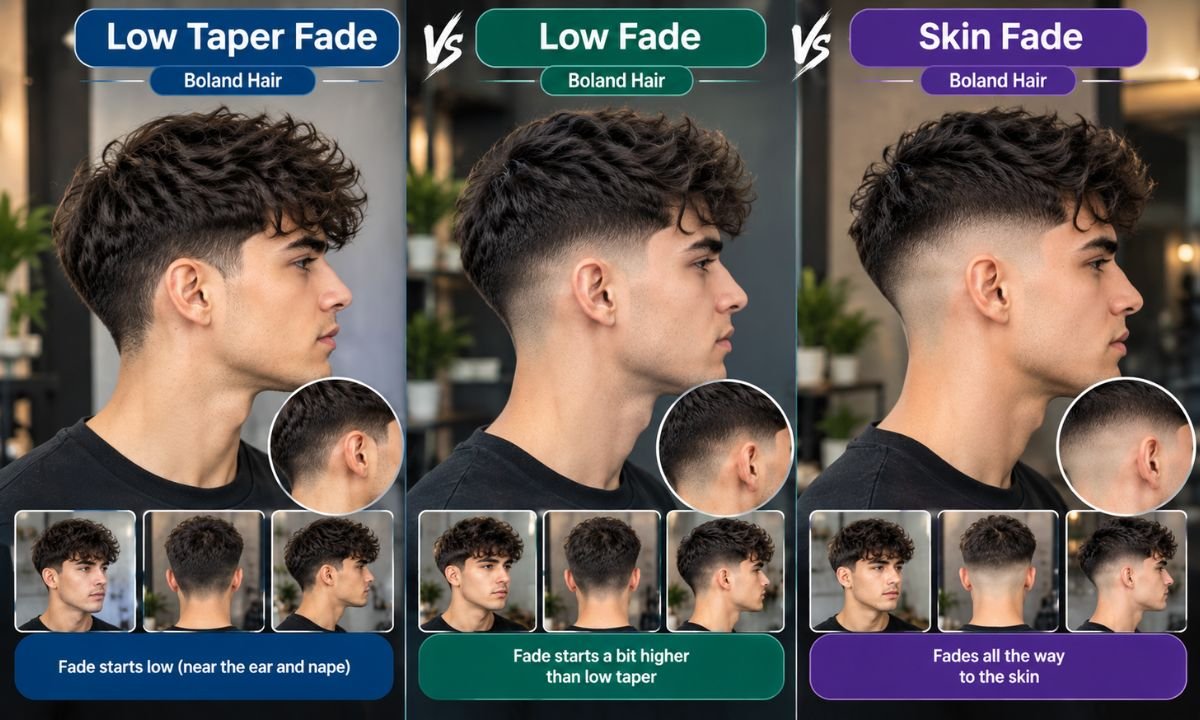
These three get mixed up constantly, so here’s the simple version. A taper fade trims the hair shorter only around the edges, and the sides stay visible and textured.
A low fade starts just above the ear and drops much shorter. A skin fade, also called a bald fade, goes all the way down to bare skin.
So what’s the real difference? It comes down to contrast and upkeep.
A taper is gentle and forgiving. A low fade is cleaner and sharper. A skin fade is bold and needs a trim every couple of weeks.
If you’re new to fades, start with the taper. You can always go shorter next visit, but you can’t glue hair back on.
| Cut | Where it starts | How short it gets | Best for |
| Low taper fade | Around ear and neckline | Short, not bare | Everyday, office, first fade |
| Low fade | Just above the ear | Very short, near skin | Sharper, defined look |
| Skin fade | Low, mid, or high | Bare skin | Bold, high-contrast style |
Why does blonde hair change the look of the fade?
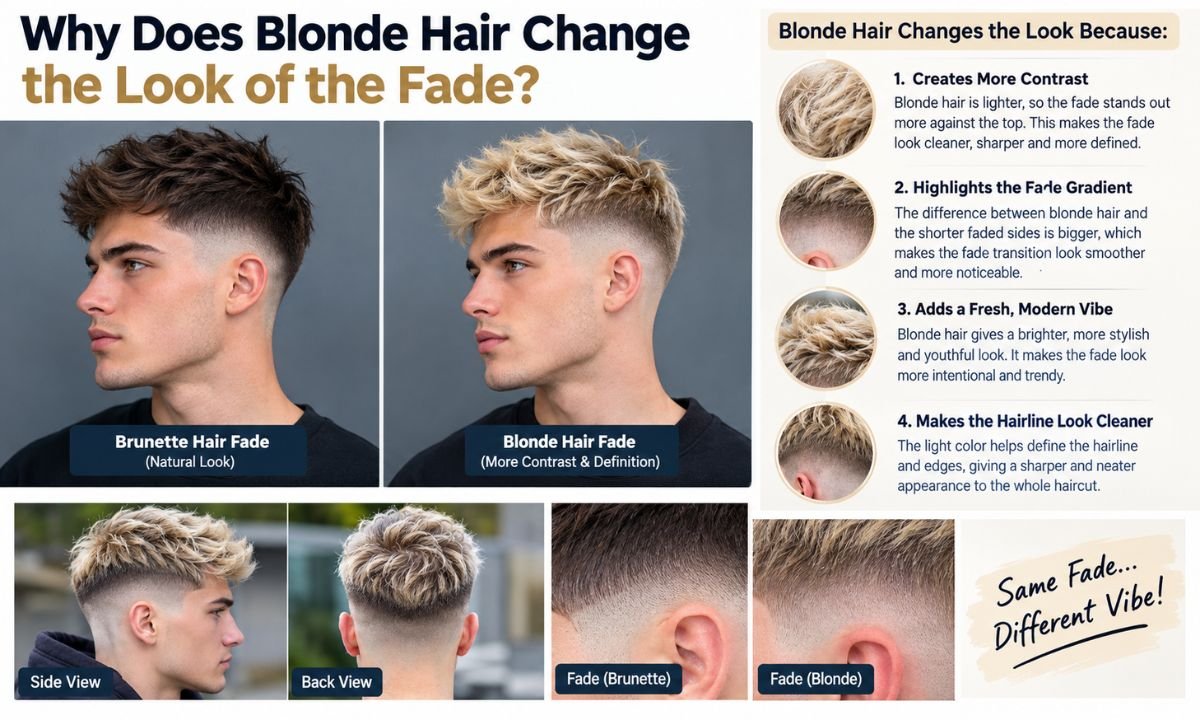
Dark hair creates strong contrast against the scalp, so every clipper line shows. Blonde hair blends with skin tone, so the transition looks softer and more natural.
That’s a gift if you want a clean but relaxed finish.
There’s a catch, though. Very pale hair can make the scalp peek through, which makes the fade look thinner than it is.
If you have fine, light hair, you’ll notice this most around the temples. A slightly longer guard at the base helps hide it.
Color also affects how the shape reads. Ash blonde looks cool and modern, golden blonde looks warm and sunny, and platinum looks dramatic.
Pick the shade first, then ask your barber to adjust the fade to match it.
Does a low taper fade suit your hair?
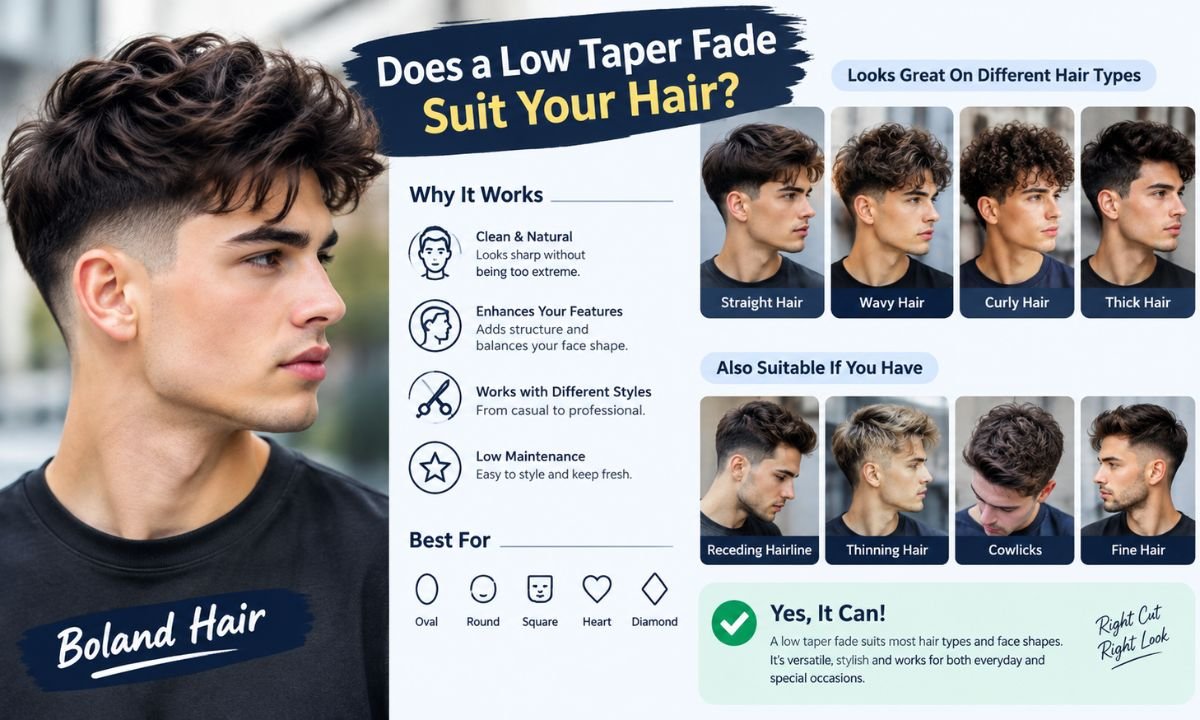
Short answer: probably, yes. This cut works on more people than almost any other fade.
But “probably” isn’t good enough when you’re about to sit in the chair.
So check three things before you book: your hair texture, your face shape, and your hairline. Each one changes how the cut should be built.
Take two minutes with a mirror and your phone camera. Pull your hair back, look at the front and the sides, and be honest about what you see.
That little test saves you from a cut that looks great on Instagram and strange on you.
Which hair textures work best?
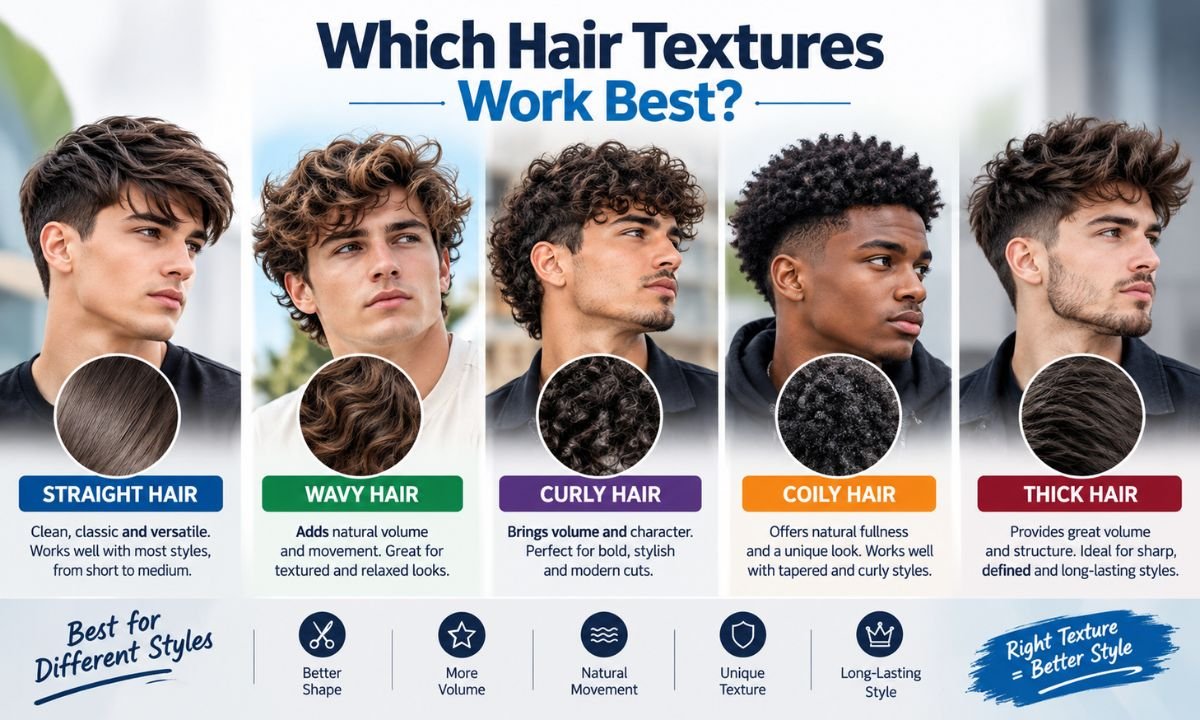
Straight hair gives you a crisp, clean taper with almost no effort. The downside is that fine straight hair can look flat, so it often needs texture spray for lift.
Wavy hair is the sweet spot. It holds shape, adds natural volume, and makes the fade look effortless.
Curly and coily hair loves a low taper too. The short sides keep the shape tidy, while the top shows off the curl pattern.
Just remember that bleach dries out curls fast, so moisture becomes non-negotiable.
Thick hair needs thinning or a longer blend zone, or the top can feel heavy. Thin hair needs a softer taper so the sides don’t expose too much scalp.
There’s no bad texture here. There’s only a cut that needs the right adjustment.
What about face shape, density, and hairline?
Round faces look longer with some height on top, like a quiff or a fluffy lift. Square faces can handle almost anything, but a soft fringe smooths strong angles.
Oval faces get the easy ride, since nearly every style fits.
Long or narrow faces do better with less height and more side volume. A textured fringe or a flat, swept top keeps things balanced.
Heart-shaped faces look great with a side part and a gentle taper that doesn’t pull attention upward.
Now the hairline. A receding hairline works well with a textured fringe or a short crop, which hides the temples.
A low, strong hairline suits slick backs and side parts.
Density matters too, especially with blonde. If your hair is thin, skip a skin fade and stay with a taper, because the extra length keeps the scalp from glaring through.
12 Best Low Taper Fade Blonde Hair Styles

Here’s where it gets fun. Every style below uses the same low taper base but changes the top completely.
Read them like a menu, then screenshot the two that make you say “yes, that one.”
Don’t worry if the exact look isn’t perfect for your hair type. Your barber can tweak length, texture, and blend to fit you.
The goal is to leave the shop with something you can recreate in five minutes at home.
Textured fringe and messy crop

This is the go-to cut for anyone who wants a lived-in finish. The top is cut short to medium, with choppy layers pushed forward into a fringe.
The low taper keeps the sides clean, so the messy top looks intentional.
It works beautifully on bleach blonde hair because the layers show up as light and shadow. You get depth without doing anything fancy.
Style it with a pinch of matte clay and finger-comb it forward.
It’s also a smart choice if your hairline is receding. The fringe softens the temples, and nobody notices.
Curly, wavy, and fluffy top

If your natural hair has movement, let it do the talking. A low taper on the sides with 3 to 5 inches on top gives curls room to breathe.
Blonde curls catch light like nothing else, so the result looks bright and playful.
Wavy hair needs only a bit of sea salt spray and a scrunch. Curly hair wants a leave-in cream and a diffuser, or just air drying.
Fluffy tops sit somewhere in between, and they suit anyone who likes volume.
One warning: don’t brush dry curls. Use your fingers or a wide-tooth comb, or you’ll end up with frizz instead of definition.
Short crop, Caesar, and buzz cut
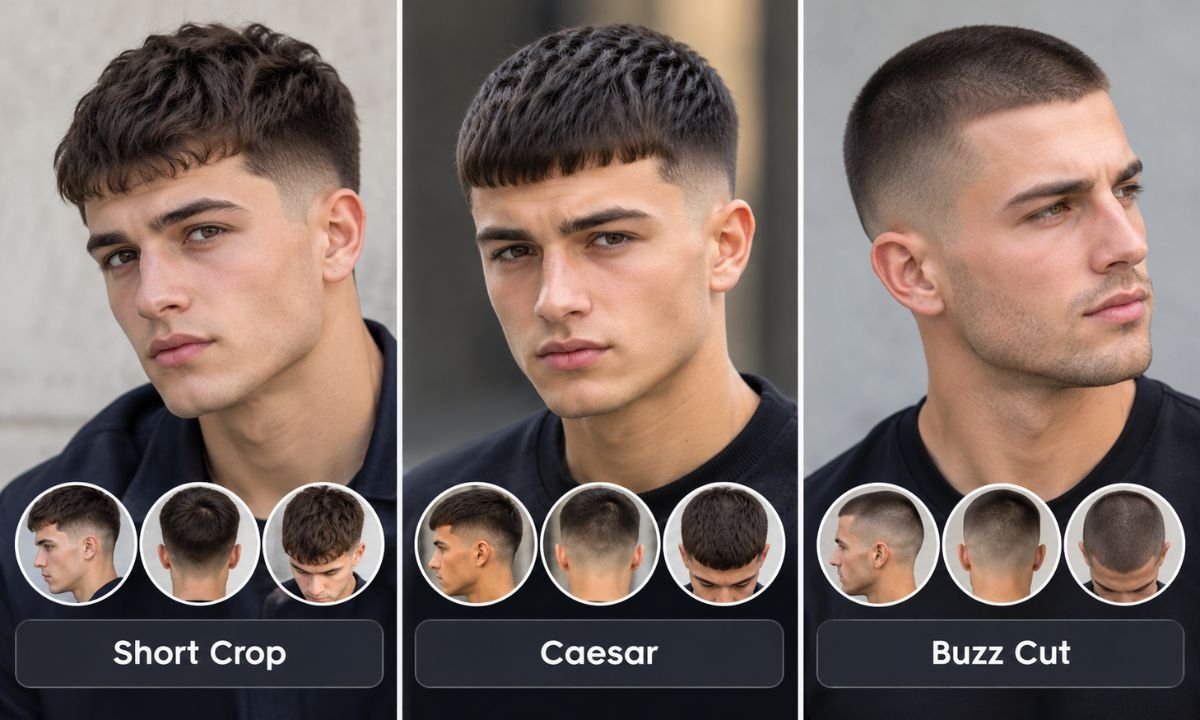
Not everyone wants length to manage. A short crop keeps the top around an inch or two, with a neat taper below.
A Caesar cut adds a short, straight fringe, which is handy if you want to hide a high forehead.
The buzz cut is the lowest-maintenance option of all. Pair it with a low taper and you’ve got a clean, athletic look that takes thirty seconds to style.
Blonde buzz cuts look softer than dark ones, so they don’t feel harsh.
These cuts are perfect if you swim, train, or hate mornings. Just apply sunscreen, because light hair shows the scalp more easily.
Quiff, side part, and slick back

These are the polished options. A quiff lifts the front with a blow dryer and pomade, giving you height and energy.
A side part is classic and clean, ideal for interviews, weddings, and office days.
The slick back is the boldest of the three. You comb the hair straight back with a bit of shine, and the low taper sharpens the whole outline.
On platinum hair, the effect feels almost cinematic.
Use a water-based pomade if you want easy wash-out. Go for a stronger wax when you need hold through a long day.
Either way, blow-dry first. It makes everything sit better.
Blowout, mullet, and longer top

Longer tops need more planning, but the payoff is huge. A blowout gives you soft, lifted volume that moves as you walk.
The modern mullet keeps the sides tapered and lets the back grow out a little, so it feels edgy without looking dated.
A longer top with a low taper works well for people who want to tie up or sweep back their hair.
Blonde length shows every bit of damage, so trim split ends often.
This route suits creative jobs, festivals, and anyone with thick hair.
It’s also the easiest way to grow out a cut while keeping the sides tidy.
Low taper fade blonde fluffy hair

Fluffy hair is light, airy, and slightly undone. Ask for a longer top, point-cutting through the ends, and a low taper that stays subtle.
You get a soft, cloud-like shape that feels youthful.
Style it with a light mousse or volumizing spray, then dry upward with your fingers. Skip heavy gels, because they flatten the fluff.
This look flatters round faces and fine hair the most.
It also grows out gracefully, which is nice when your barber’s next slot is three weeks away.
Mid Taper Fade Blonde Hair

A mid taper fade starts a little higher, around the temple level. It shows more contrast than the low version without going full skin fade.
Think of it as the middle child between subtle and bold.
Blonde hair looks crisp with a mid taper, especially with a textured top. It frames the face and makes the jawline look sharper.
Choose it if you want a cleaner outline but still need something office-safe.
If your head shape is narrow, go lower instead. A mid taper can make the top look a bit wide.
Low taper fade blonde textured fringe

This one deserves its own spot because it’s so versatile. The fringe sits forward, cut with choppy ends, while the taper keeps the ears and neck clean.
It’s modern, low-effort, and looks good on almost everyone.
Ask your barber to cut the fringe slightly longer in the center. That shape draws attention to the eyes and hides a wide forehead.
A little clay on dry hair is all you need.
If the front keeps flopping, use a short blast of cool air from the dryer to lock it.
Low taper fade blonde hair straight hair

Straight hair is the blank canvas. A low taper looks ultra-neat here, with almost no frizz to fight.
The top can go short and sharp or long and swept, both with the same tidy base.
The main challenge is volume. Straight blonde hair tends to lie flat, so use a texture spray or light powder at the roots.
Blow-dry against the growth direction before you style it.
If your hair is also fine, keep the taper soft. That protects the density you already have.
Low taper fade blonde hair curly

Curly blonde hair plus a low taper is one of the best combinations out there. The tight sides make the curls pop, and the contrast feels deliberate.
Keep the top between 3 and 6 inches so the curl pattern shows.
Bleached curls need care, because the lifting process loosens the pattern. Use a bond-repair treatment and a rich conditioner every week.
Don’t over-wash either. Two or three times a week is plenty for most curl types.
Ask the barber to cut curls dry, since wet curls shrink and mislead you.
Low taper fade blonde hair with a French crop

The French crop is short, blunt, and forward-swept, with a soft fringe over the forehead. It’s clean, masculine, and almost maintenance-free.
Pair it with a low taper and the profile stays balanced.
This cut works especially well for thinning crowns, since the short length hides density changes. It’s also ideal for people who want a neat look without product.
A dab of paste and you’re done.
Blonde versions look lighter and friendlier than dark ones, which is a nice bonus.
Low taper fade blonde hair with a faux hawk

The faux hawk lifts the center while the sides stay tapered and short. It’s playful, confident, and great on medium-length hair.
It also elongates round faces without any extra effort.
Use a firm-hold paste and push the hair up and back from the sides. Keep the lift natural instead of spiky, or it’ll look stuck in 2008.
Blonde tips catch light well, so the texture stands out.
This one suits weekends, parties, and anyone who wants a bit of attitude.
How do you ask a barber for this haircut?
Most bad haircuts start with a bad conversation. You say something vague, the barber guesses, and you both end up disappointed.
The fix is simple: show, describe, and confirm.
Talk before the cape goes on. A good barber will welcome questions, because it means fewer surprises.
And if they rush you or skip the consult entirely, that’s a signal about the next forty minutes.
What reference photos should you bring?
Bring at least three photos. Show the front, the side, and the back if you can find one.
Try to match your hair color and texture, because a curly brunette photo won’t translate to straight platinum hair.
Point out what you like in each picture. Is it the fringe? The blend height? The length on top?
One clear detail beats ten vague ones.
Also bring a photo of what you don’t want. It feels odd, but it’s surprisingly useful, since it sets the limit before the clippers start.
What exactly should you say?
Keep the script short and specific. Try something like this:
I’d like a low taper fade, starting around a #2 at the neckline and blending up to a #4. Leave about three inches on top, textured, with a soft fringe. Keep the sideburns tapered and the neckline natural.
That one paragraph covers guard numbers, length, texture, and finish.
If you don’t know the guard numbers, say “short but not skin” and ask for their suggestion.
And end with one extra line: “Can we start longer and go shorter if needed?” That single sentence protects you from the classic over-cut.
Barbers respect clients who ask for that.
How do you style and maintain it?
A great cut on day one means nothing if it looks tired by day five. The good news is that low taper fades are friendly to everyday life.
You need a short routine, a few good products, and a realistic schedule.
Blonde hair adds two extra tasks: keeping the tone clean and protecting the strands from damage. Neither is hard once it becomes a habit.
Think of it like car care. Small, regular tune-ups beat one expensive emergency.
What is the fastest daily styling routine?
Here’s a five-minute routine that works for most lengths:
- Towel-dry your hair until it’s just damp, not dripping.
- Apply a pea-sized amount of texture spray or sea salt spray to the roots.
- Blow-dry on medium heat, lifting the top with your fingers.
- Rub a little matte clay or paste between your palms and work it through the top.
- Shape the front, then finish with a quick cool-air blast.
That’s it. You’ll rarely need more than that.
On lazy days, skip the dryer and let your hair air dry with a bit of product. It still looks good, just softer.
Avoid piling on gel, because heavy product dulls blonde and makes it look greasy.
How often should you refresh the cut and color?
A low taper fade looks best with a trim every 2 to 4 weeks. After a month, the blend softens and the neckline starts to fuzz.
If you like crisp edges, stay closer to two weeks. If you’re fine with a relaxed grow-out, four is plenty.
Color needs its own calendar. Roots on bleached hair show up around 4 to 6 weeks, and toning usually needs a touch-up at the same time.
Book both appointments together so you aren’t running around.
Here’s a simple schedule to follow:
| Task | How often |
| Taper fade trim | Every 2 to 4 weeks |
| Root touch-up | Every 4 to 6 weeks |
| Toner refresh | Every 4 to 8 weeks |
| Deep conditioning | Once a week |
| Purple shampoo | Once or twice a week |
How do you keep blonde hair bright without over-toning?

Yellow creeps in over time, thanks to sun, hard water, and heat. That’s when purple shampoo earns its place.
Use it once or twice a week, leave it on for two to three minutes, then rinse well.
More isn’t better here. Overusing purple products can leave a dull lavender or gray cast, especially on very pale hair.
If your hair starts to look dingy, pause the shampoo and use a clarifying wash instead.
Rinse with cooler water when you can, and install a shower filter if your water is hard. Minerals stick to bleached strands and turn them brassy.
And wear a hat in strong sun. UV fades blonde quickly.
What are the risks and common mistakes?
Blonde hair looks fantastic, but it’s not a risk-free choice. Bleach changes the structure of the strand, and a fade leaves the scalp more exposed.
Knowing both sides of that coin keeps you out of trouble.
Most problems come from rushing. People skip the consult, buy a box kit, or push for a shade their hair can’t reach in one session.
Slow down, and you’ll avoid the worst of it.
What should you know before bleaching?
Bleach lifts pigment, which weakens the hair and can irritate the scalp. Dark hair often needs more than one session to reach a clean blonde.
When a stylist says “we’ll do it in two visits,” that’s a good sign, not a problem.
Always do a patch test and a strand test first. The patch test checks for allergic reactions, and the strand test shows how your hair responds.
Don’t bleach over recent box dye or henna without professional advice, since the results can be uneven or even damaging.
After bleaching, use a bond-repair treatment and avoid heat for a few days. Your scalp might sting or feel tight, which is usually temporary, but see a professional if it burns, blisters, or swells.
Which haircut and color mistakes should you avoid?
Here are the slip-ups that come up most often:
- Going too short, too fast. Start with a taper and adjust next time.
- Skipping the consult. A minute of talking saves a month of regret.
- Ignoring skin tone. Some blondes clash with cool undertones, and warm tones can look sallow against icy platinum.
- Over-washing. Daily shampooing strips color and dries the ends.
- Using too much purple shampoo. It can dull the brightness you’re trying to protect.
- Forgetting sunscreen. Light hair and short sides expose the scalp to UV.
- Waiting too long between trims. The blend loses shape around week four.
Fix just two of these and you’ll see a difference.
What are the best alternatives?
Maybe a low taper isn’t quite right for you. No problem, there are plenty of cousins to consider.
Pick based on how much contrast and upkeep you actually want.
A classic scissor cut keeps everything the same length and needs no fade maintenance. A high fade gives a bold, sporty shape, while a drop fade curves behind the ear for a dramatic outline.
A burst fade works around the ears and looks great with mohawks or curly tops.
For very low upkeep, a grown-out undercut or a simple longer cut with tapered edges also does the job.
There’s no wrong answer. Match the cut to your routine, not just your screen saver.
Is a low taper fade right for work, school, and special days?
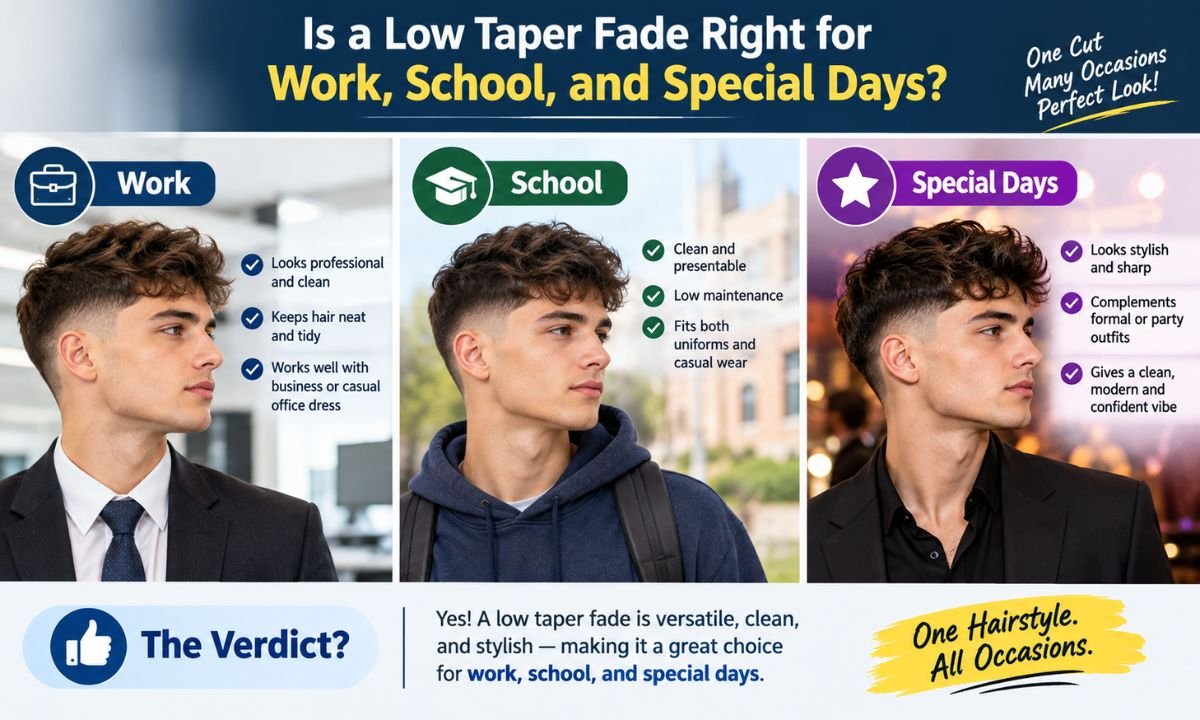
Yes, and that’s one of its biggest perks. The cut looks tidy enough for offices, interviews, and classrooms.
At the same time, it’s modern enough for nights out and weddings.
For formal settings, pick a side part or a slick back with a light product. For casual ones, choose a textured fringe or a fluffy top.
Same base, different mood.
That flexibility means one haircut can cover most of your calendar. You won’t need to reinvent yourself every time the dress code changes.
What tools and products do you actually need?
You don’t need a bathroom full of bottles. Five items cover nearly everything.
A good purple shampoo, a moisturizing conditioner, a texture spray, a matte clay or paste, and a hair dryer with a concentrator nozzle.
Add a bond-repair mask if you’ve bleached, and a wide-tooth comb if your hair curls. That’s the whole kit.
Skip anything with heavy alcohol, because it dries blonde hair out. Also avoid very greasy pomades, as they can leave yellow residue.
Try products one at a time so you know what’s helping and what isn’t.
Buy small sizes first. Your hair will tell you pretty quickly what it likes.
What are the blonde low taper fade trends for 2026?
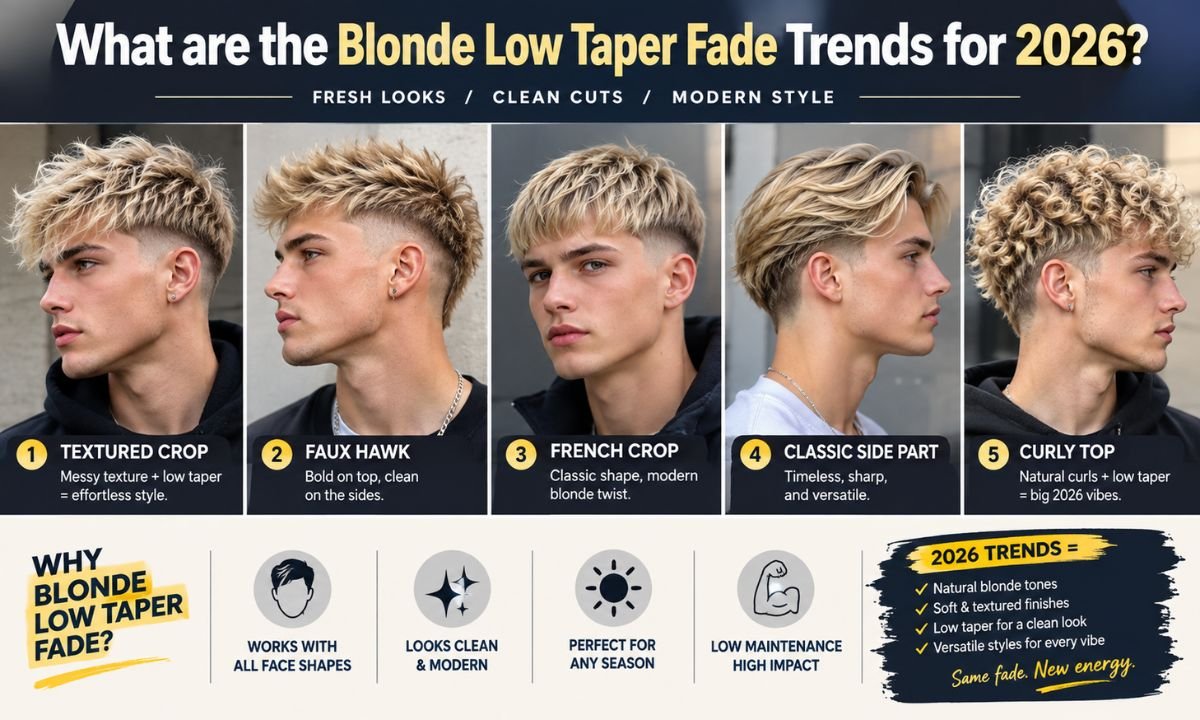
Natural texture is having a real moment. People are leaving more movement on top and relying less on heavy styling.
That suits the low taper, since it gives structure without stealing attention.
Soft ash blonde and buttery blonde shades are popular, along with dimensional looks where roots stay slightly darker. They grow out gracefully and need fewer salon trips.
Longer mulletish backs and shaggy fringes also keep showing up.
Trends change, but the logic stays the same: pick a shape that fits your hair, and let the color do the talking.
Check with your barber for what’s working locally, since tastes vary by city.
Frequently Asked Questions
Does a low taper fade look good on blonde hair?
Yes, it does. The soft gradient blends with lighter strands, so the result looks clean without feeling harsh.It works on straight, wavy, and curly textures, and it flatters most face shapes.The only caution is fine, pale hair, where the scalp can show through. A slightly longer blend zone fixes that.
Is low taper fade haram?
There’s no ruling that singles out the low taper fade by name. Most scholars focus on whether a haircut involves shaving part of the head while leaving other parts long, which some classify as disliked.Views differ across schools of thought and individual scholars, so the answer isn’t identical for everyone.If this matters to you, ask a trusted scholar you follow. And remember that a taper keeps hair on the sides, which some people find reassuring, but that’s a question for a qualified authority, not a barber guide.
Is low taper better than low fade?
Neither is better in general. It depends on what you want.A taper is softer, easier to grow out, and safer for thin hair. A low fade is sharper, shows more contrast, and needs more frequent trims.If you’re new to fades or want an office-friendly cut, go taper. If you like a crisp, defined look, go low fade.
Is a taper fade a mullet?
No. A taper fade is a way of blending the sides and back, while a mullet describes the overall shape: short on top and sides, long at the back.That said, you can combine them. A modern mullet often uses a taper to keep the sides neat.So they’re different things that happen to get along well.
How long does a low taper fade last?
Most people enjoy a sharp look for about two to three weeks. After that, the blend softens and the neckline starts to fuzz.Blonde hair hides the grow-out a bit better than dark hair, so you might stretch it to four.If you like crisp edges, book a quick cleanup between full cuts.
How much does a low taper fade cost?
Prices vary widely by city, salon, and barber experience. A basic taper at a neighborhood barbershop usually costs less than a high-end salon cut.Add extra if you’re including bleaching, toning, or styling.Call ahead and ask for a range, since the price can change with hair length and complexity.
What clipper guard numbers are used for a low taper fade?
Barbers commonly start near a #1 or #2 at the neckline and blend up through a #3 or #4. The exact numbers depend on hair density and how strong you want the contrast.Numbering also differs by brand and country, so treat these as a starting point.The smart move is to tell your barber what look you want and let them pick the guards.
Can you get a low taper fade with thin blonde hair?
Yes, and it’s often a smart choice. Keep the taper soft and leave a bit more length on the sides so the scalp doesn’t glare through.Textured tops and fringes add visual density, too.Avoid skin fades if you’re worried about thinning, because they reveal more of the scalp.
How do you keep blonde hair from turning yellow after a fade?
Use purple shampoo once or twice a week and rinse with cooler water. Wear a hat in strong sun, and install a shower filter if your water is hard.Book a toner refresh every 4 to 8 weeks.Don’t overdo it, though. Too much purple can leave a dull cast.
Final Thoughts
A low taper fade is one of the smartest cuts you can pair with blonde hair. It’s clean, flexible, and forgiving when life gets busy.You can dress it up or dress it down with just a change in styling.Pick a top style that matches your texture, bring clear photos, and use the barber script from this guide. Protect your blonde with gentle care and a smart schedule.
That combo gives you a cut that looks good on day one and day twenty.Now we’d love to hear from you. Which style are you leaning toward, and what’s your biggest worry about going blonde?Drop a comment, share this guide with a friend who needs a new cut, and come back for updates as trends shift in 2026.
