
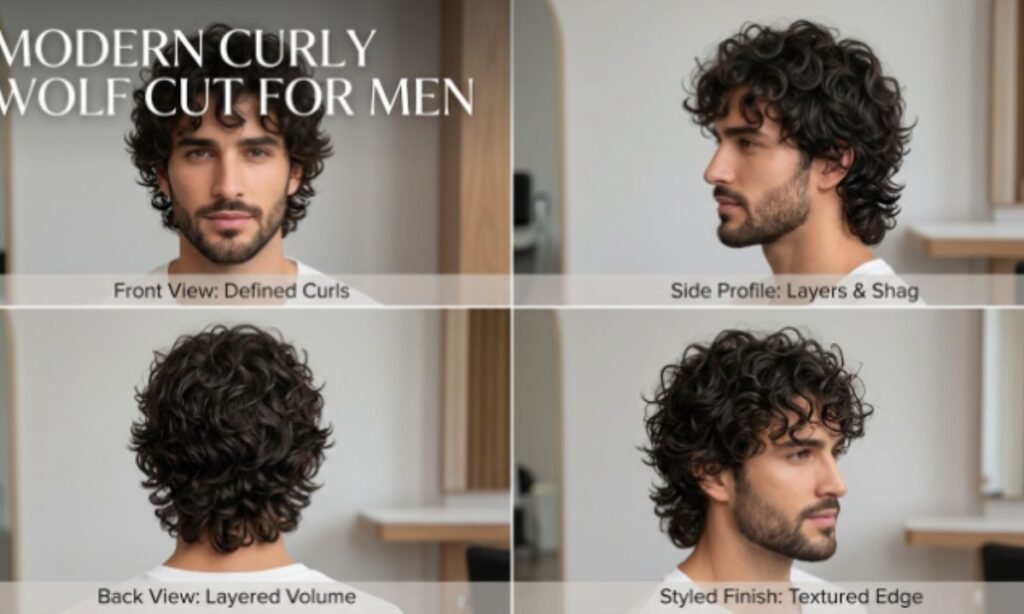
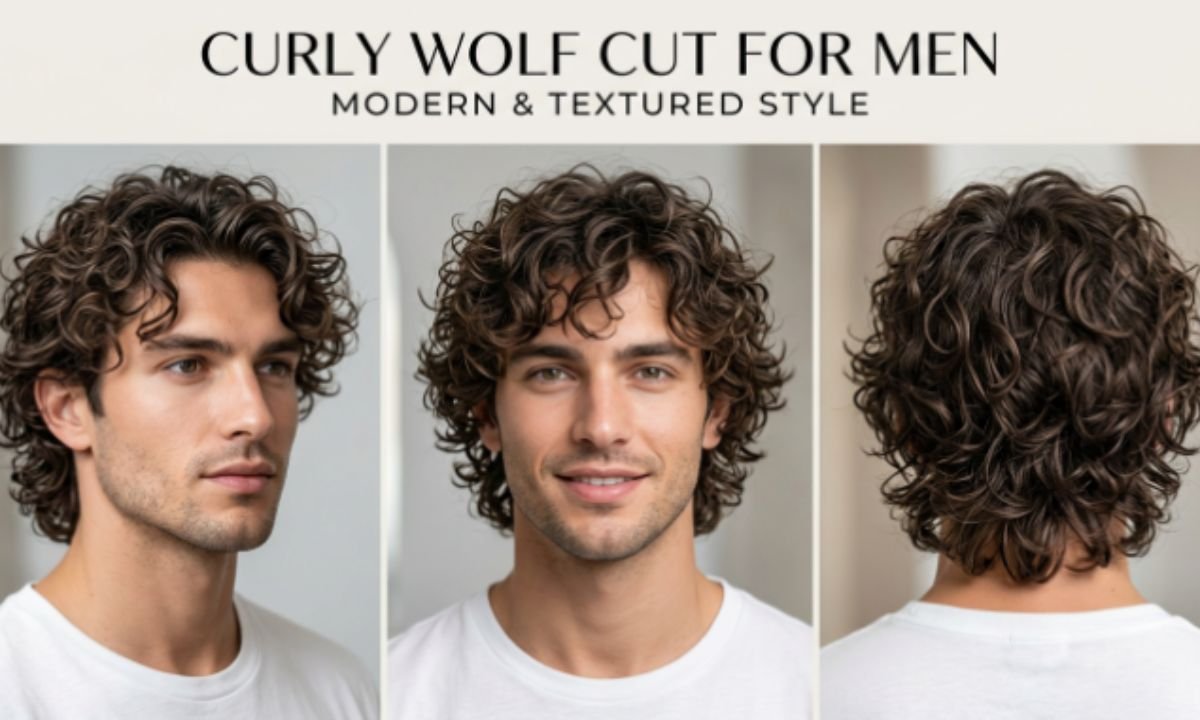
If you’ve got curls and you’re tired of choosing between “buzzed short” and “unruly mess,” the wolf cut might be the answer you didn’t know you were looking for. It’s the haircut that’s taken over barbershops this year, and curly-haired guys in particular have found a real home in it. Part shag, part mullet, all texture — the wolf cut doesn’t fight your curl pattern, it works with it.
This guide walks through 38 of the best wolf cut looks for curly hair, breaks down what actually makes a wolf cut a wolf cut, and covers the styling, product, and salon advice you need to pull it off without ending up looking like you just rolled out of bed (unless that’s the look you’re going for, in which case, great, we’ve got you covered too).Trendy Curly Wolf Cut Hairstyles for Men explained very well here!
What Is a Wolf Cut on Curly Hair?

A wolf cut is a layered haircut that blends the choppy, face-framing texture of a shag with the short-top-long-back silhouette of a mullet. On straight hair, that means heavy layering and a lot of texturizing to fake volume. On curly hair, you get most of that volume for free, because curls already push outward and upward. The layers just give your curls somewhere to go instead of clumping into one dense shape.
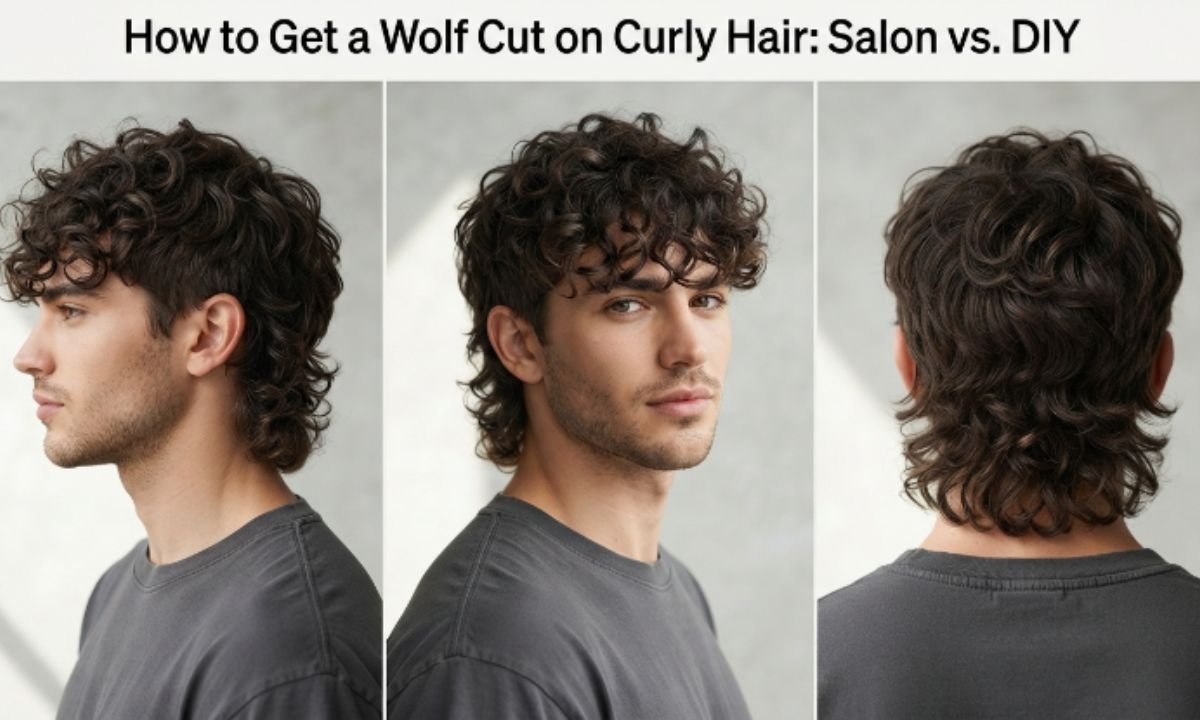
The defining features are shorter, choppier layers around the crown and face, and longer strands left toward the back and nape. On curly or coily hair, this creates a natural, almost sculptural silhouette; each curl gets more room to spring, coil, and catch light differently depending on its length. That’s why a wolf cut on curly hair often looks more three-dimensional than the same cut on straight hair.
It’s not a fade, and it’s not a “curly mullet” in the strict sense either, even though people use those terms loosely. A true wolf cut relies on heavy internal layering throughout the whole head, not just length contrast between top and back.
38 Best Wolf Cut Curly Hair Looks of 2026

Here’s the full lineup, organized by category so you can find your vibe fast, whether that’s classic and low-key or full color-and-texture statement piece.
Classic & Long Curly Wolf Cuts

1. Long Curly Wolf Cut With Soft Layers

Length stays past the shoulders while soft, rounded layers keep the silhouette from turning into a solid curtain of hair. Great for guys who want to keep growing their hair out without losing shape.
2. Short Curly Wolf Cut With Volume at the Crown

Shorter overall, with the heaviest layering concentrated right at the crown so curls stack up and outward. This is the easiest version to maintain day to day.
3. Wolf Cut Curly Hair With Curtain Bangs
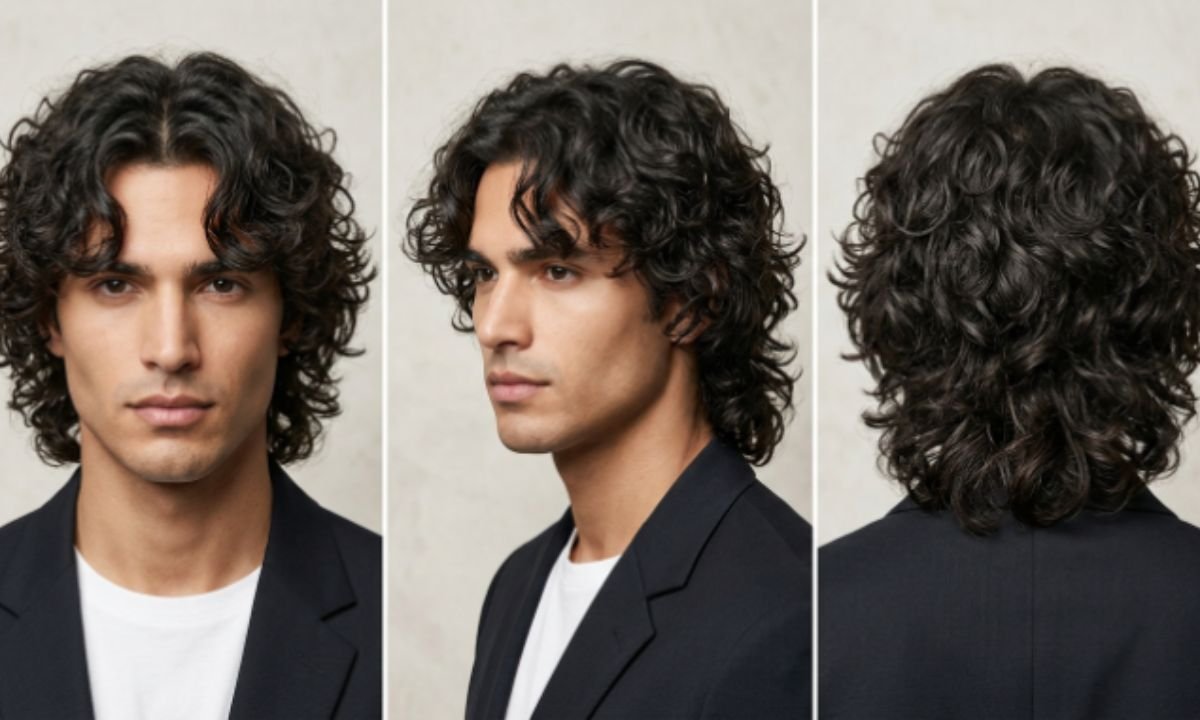
Center-parted curls that sweep off the forehead on both sides. On curly hair the “curtain” effect happens naturally as curls dry outward from the part.
4. Wolf Cut Curly Hair With No Bangs

All layers pushed back, forehead fully exposed. A cleaner, more grown-up take that still keeps the wolf cut’s signature volume.
5. Shoulder-Length Curly Wolf Cut
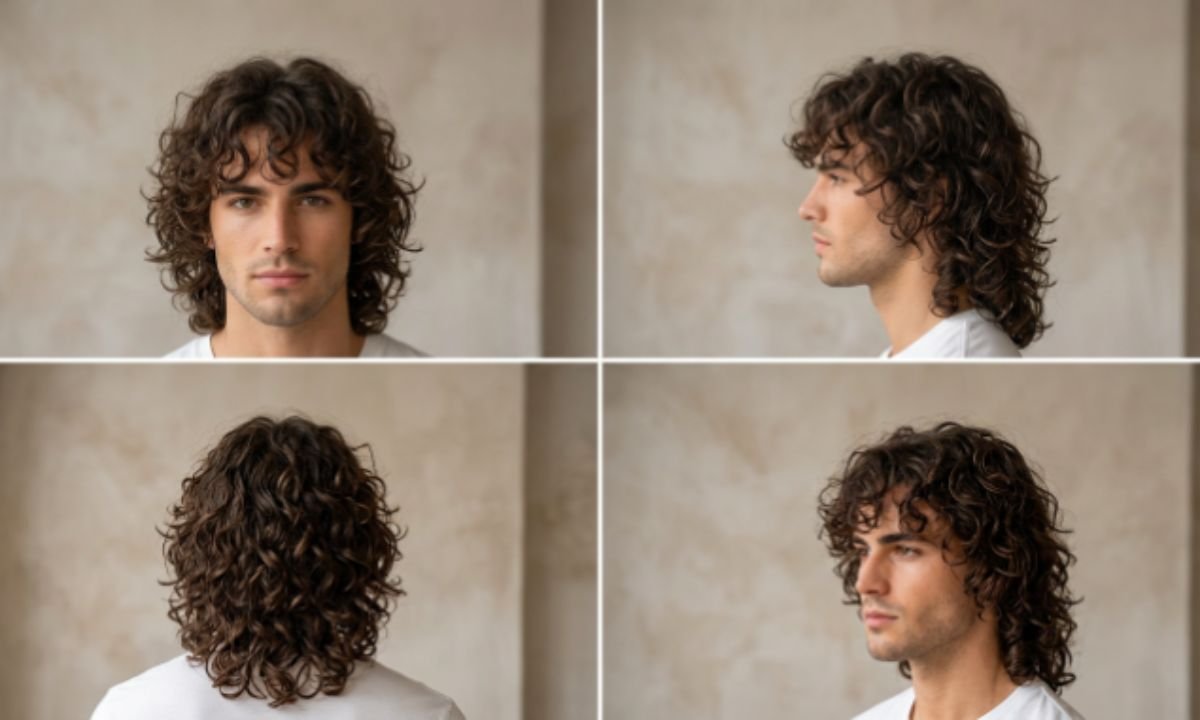
A middle-ground length that balances the shag’s choppiness with enough length at the back to still read as intentional rather than just “growing it out.”
Men’s Curly Wolf Cuts
6. Taper Fade Wolf Cut for Curly Hair
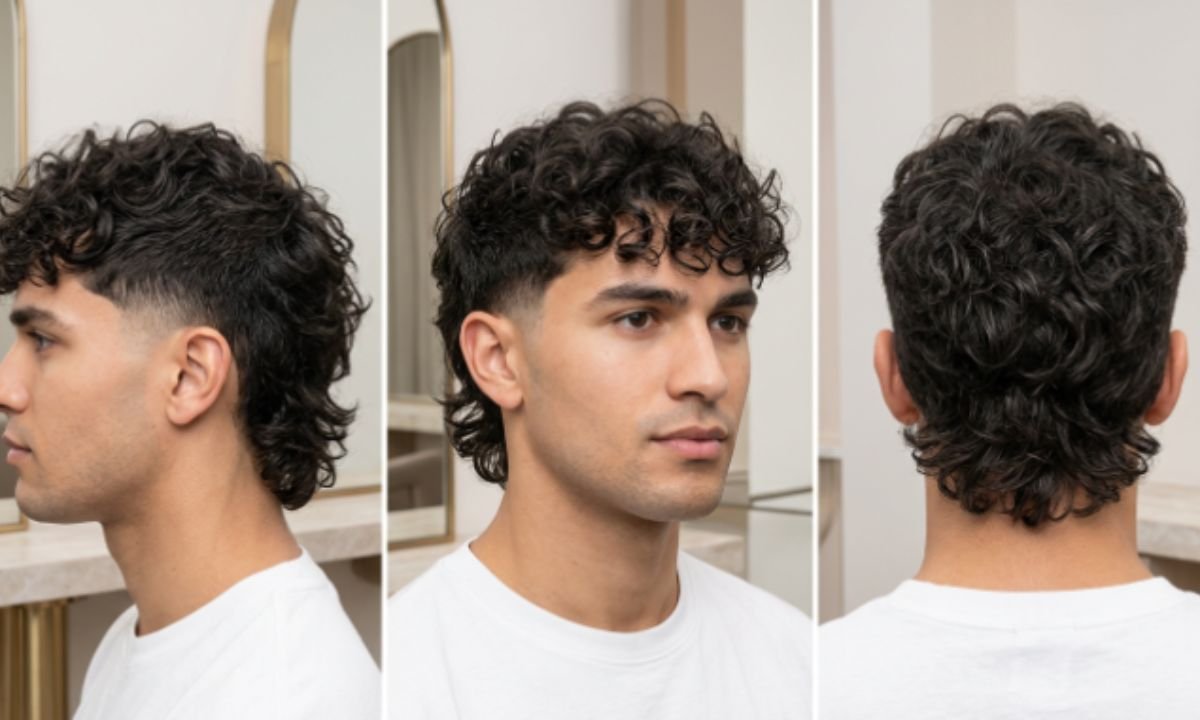
Sides and back are faded down close while curls stay long and layered on top. This is probably the most requested version at barbershops right now because it reads polished even with wild curls up top.
7. Korean Curly Wolf Cut
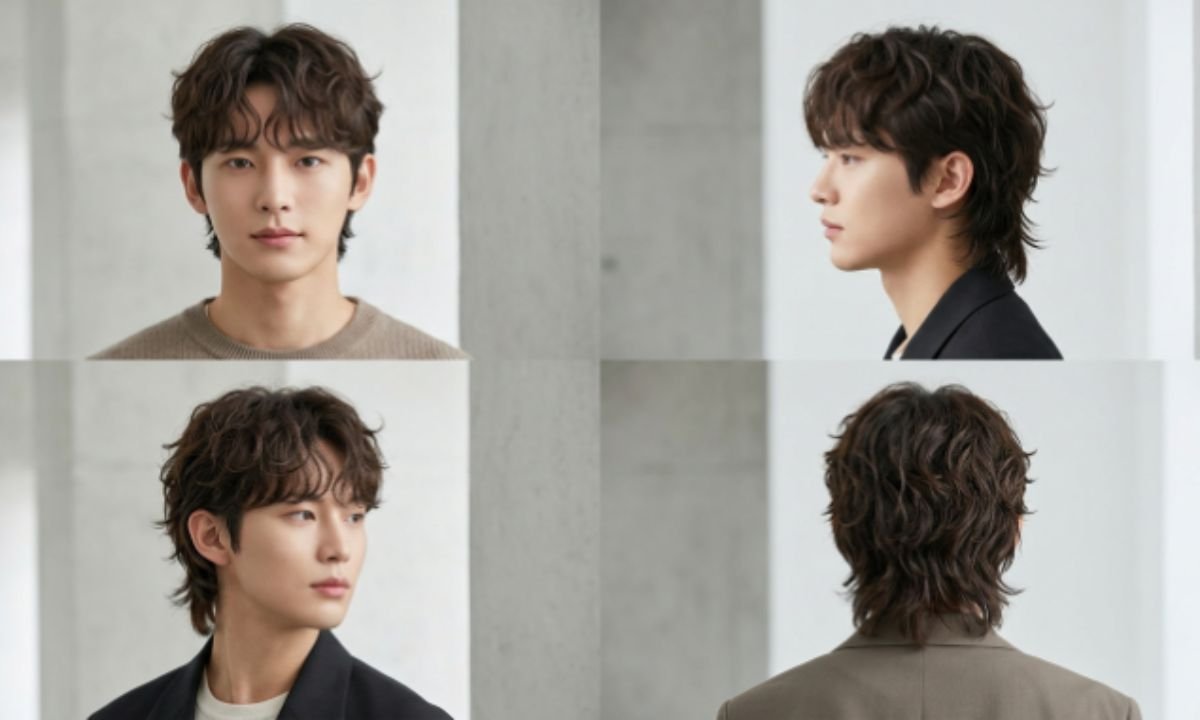
Softer, more rounded layering with a heavier fringe, borrowed from K-drama and K-pop styling. Works especially well on looser curl patterns (2A to 2C).
8. Teen Boy Curly Wolf Cut

Lower-maintenance version with less dramatic length contrast, easier for a growing kid to manage between cuts and easier for parents to keep tidy.
9. Side-Part Curly Wolf Cut

A defined side part gives the cut more structure, which helps tighter curl patterns (3A to 3C) avoid looking shapeless.
10. Long Sides Men Curly Wolf Cut
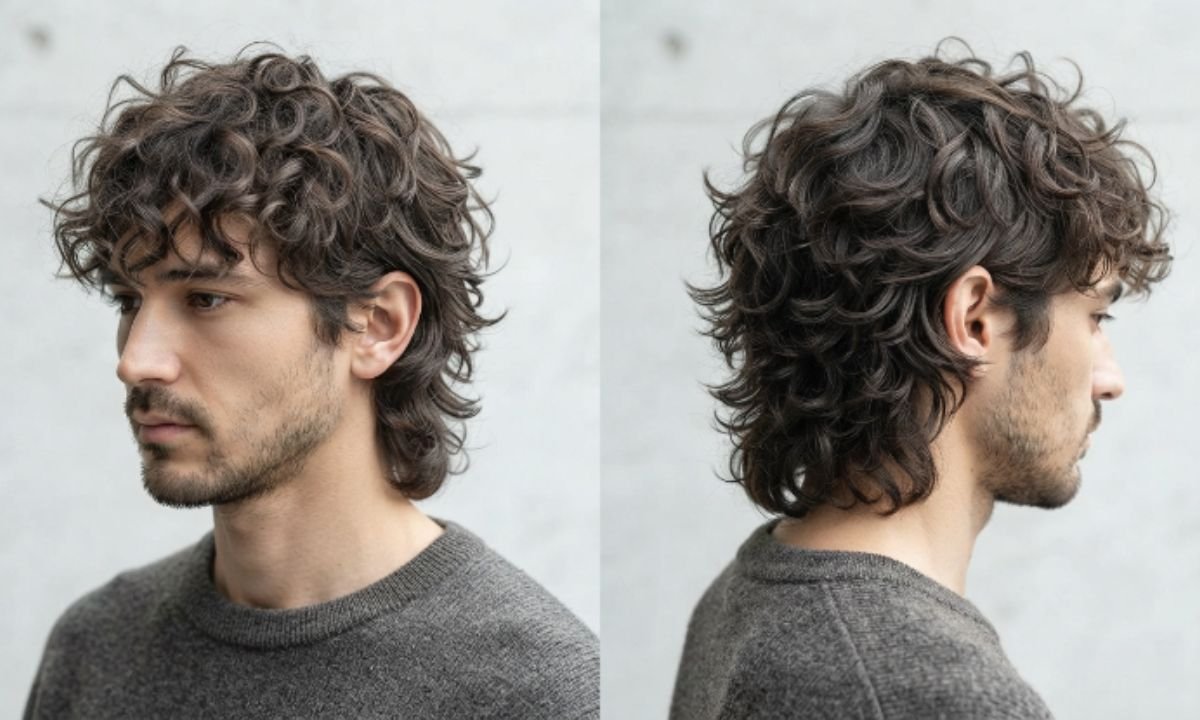
Instead of fading the sides down, this version keeps them long too, so the whole head reads as one continuous curly shag with just a slightly shorter crown.
Color & Highlighted Curly Wolf Cuts

11. Dark Curly Wolf Cut
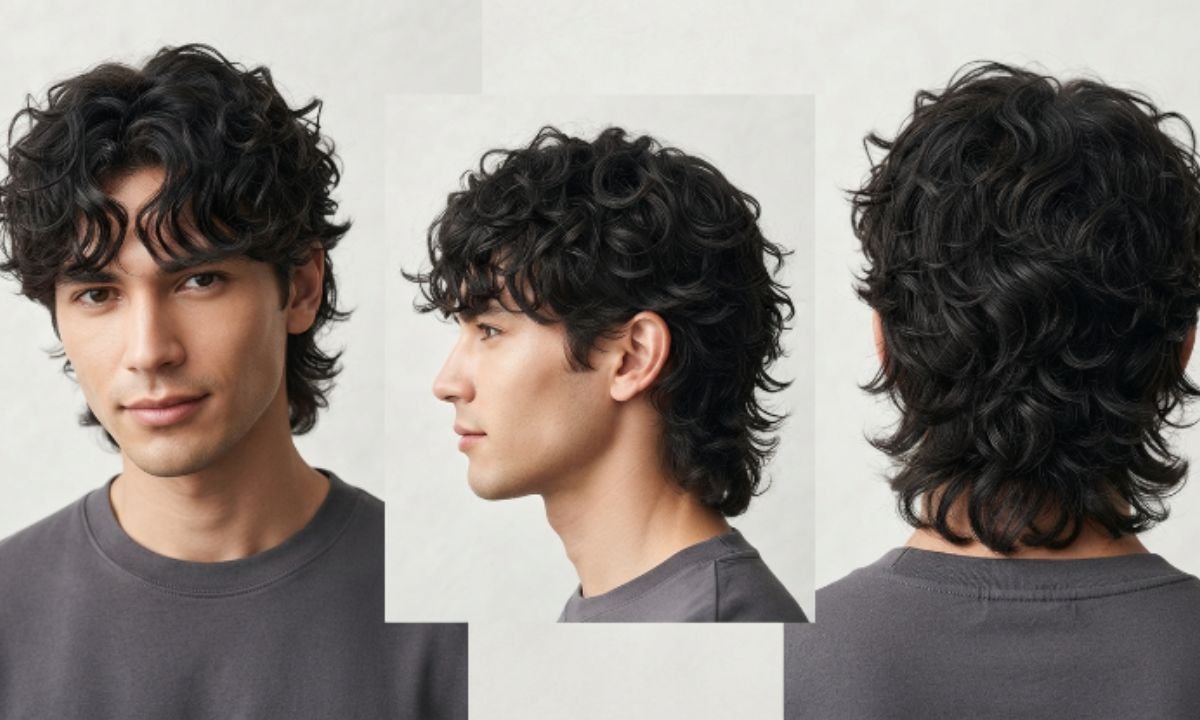
Deep brunette or jet black with no added color, letting the layering and curl definition do all the visual work. The safest, most versatile option.
12. Wolf Cut Curly Hair With Blonde Highlights
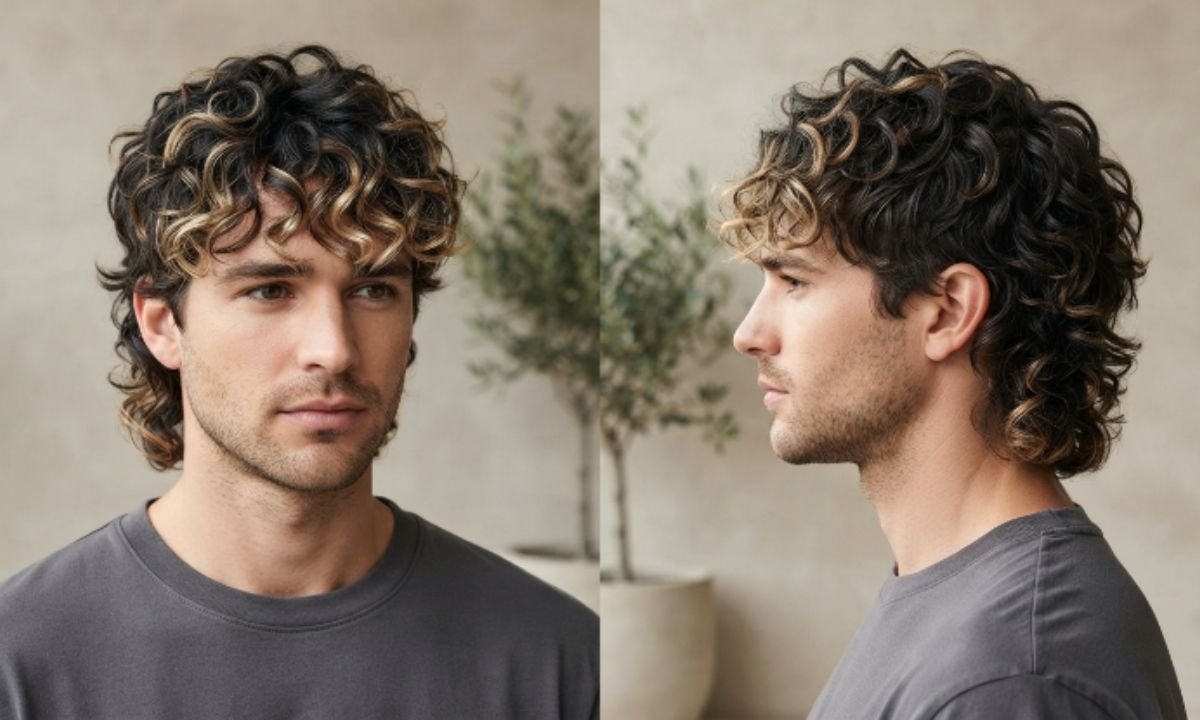
Face-framing highlights catch the light as curls bounce, adding dimension without a full bleach job.
13. Copper Curly Wolf Cut

Warm copper tones pair especially well with curl texture because the color shifts subtly with every twist and coil.
14. Red Dyed Curly Wolf Cut

A bolder, fully saturated red. High-commitment, high-impact, and it photographs beautifully under natural light.
15. Balayage Curly Wolf Cut

Hand-painted, low-maintenance color that grows out softly instead of leaving an obvious root line. A smart pick if you don’t want monthly salon visits.
Texture & Hair-Type Specific Curly Wolf Cuts

16. Wolf Cut Curly Hair With Soft Brunette Layers
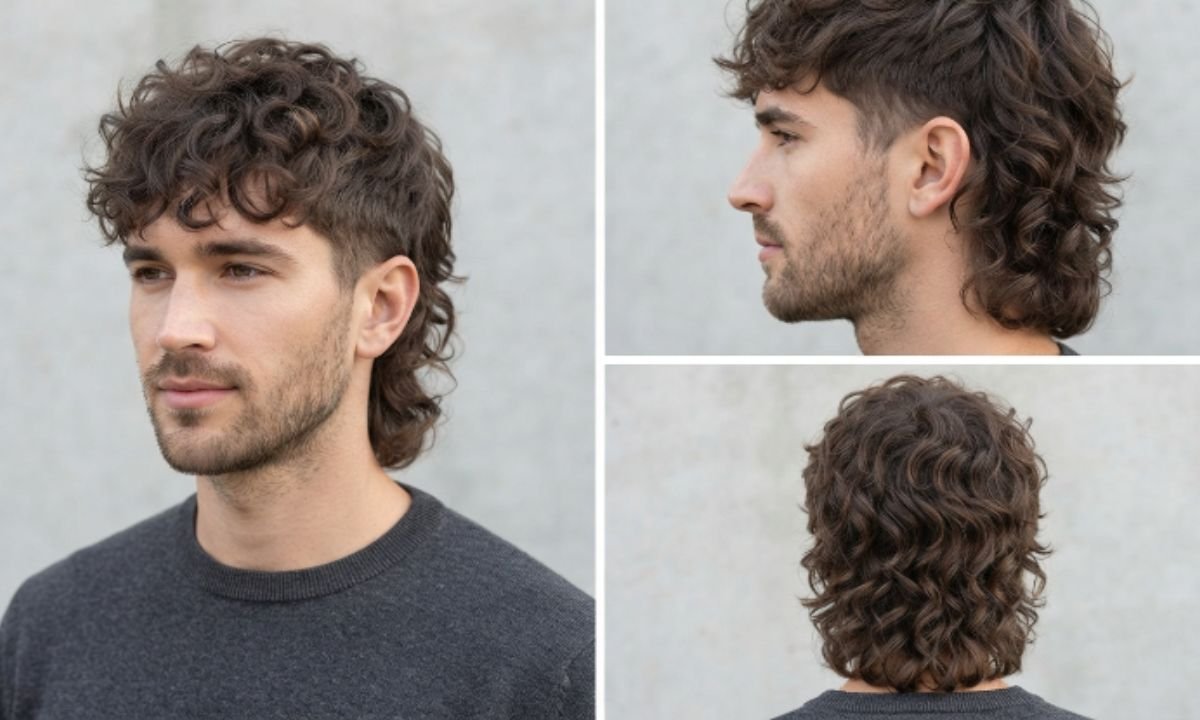
Gentle, blended layering on natural brunette curls, aimed at guys who want texture without any hard lines.
17. Fine Curly Hair Wolf Cut
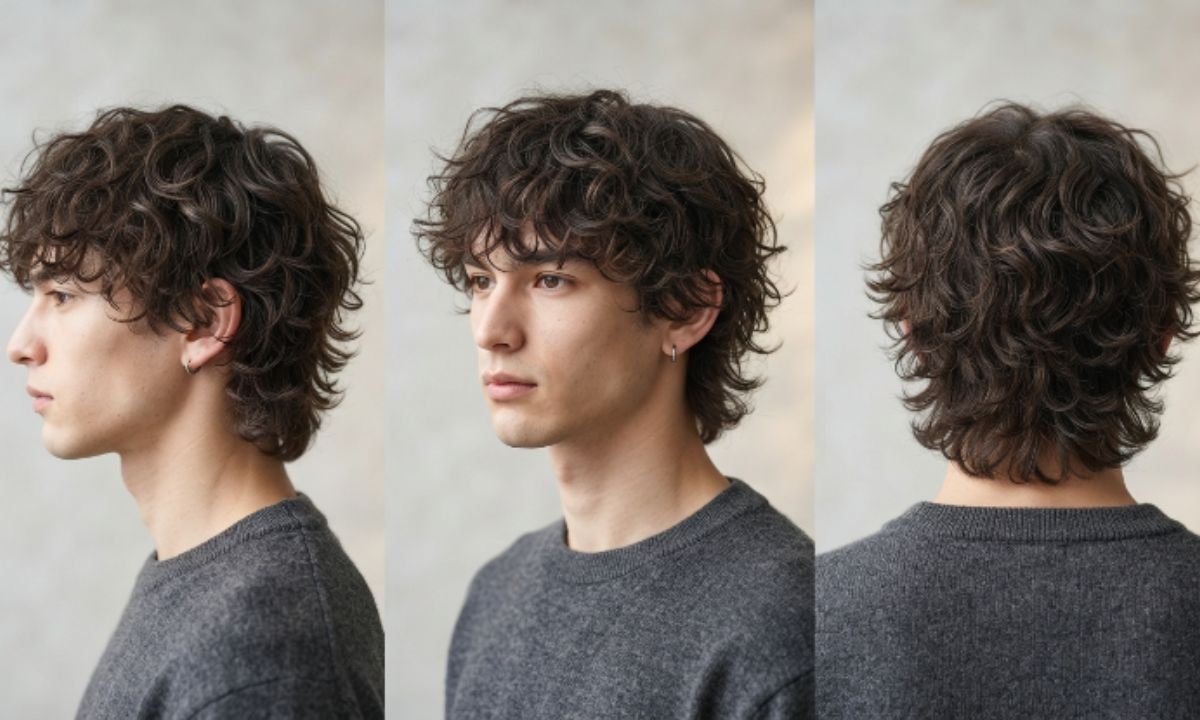
Lighter layering that avoids thinning fine curls out too much, since fine hair loses volume fast if you over-layer it.
18. Thick Curly Hair De-Bulk Wolf Cut
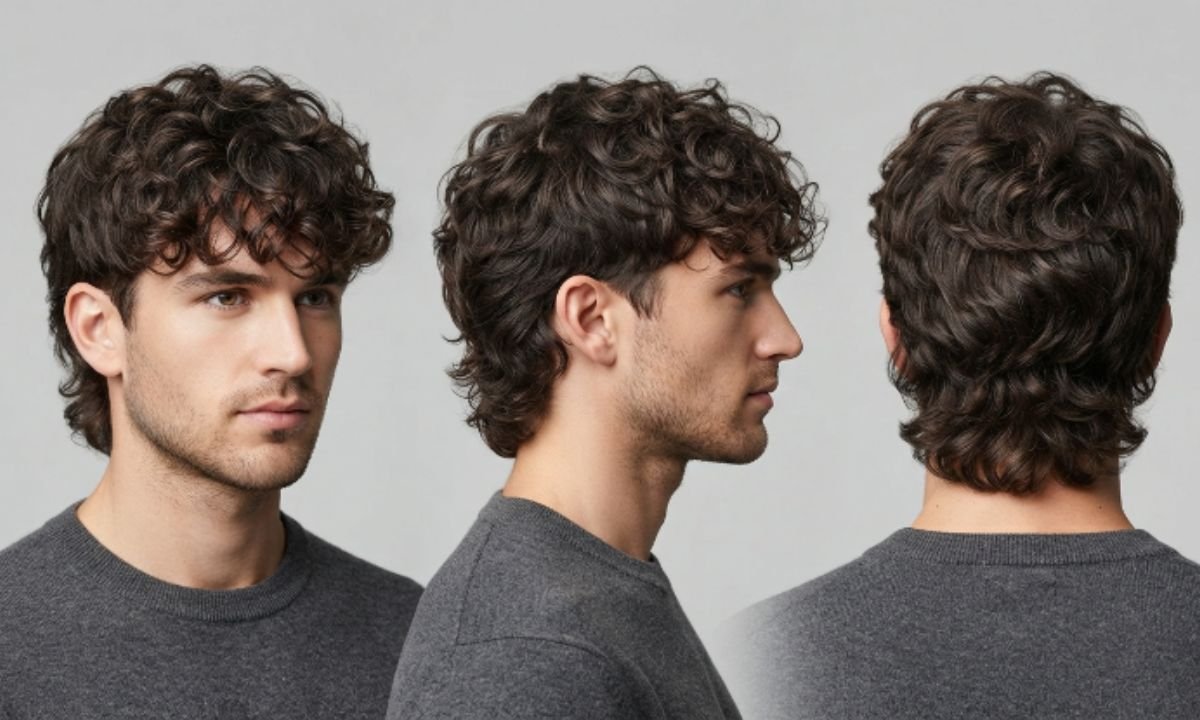
Heavier internal layering removes bulk from dense, thick curls so the shape doesn’t balloon into a triangle.
19. Wolf Cut Curly Hair With Defined Spiral Layers

Cut specifically to follow tight spiral curl patterns, so each layer ends on a full, complete curl rather than a cut-off frizz point.
20. Frizz-Controlled Curly Wolf Cut
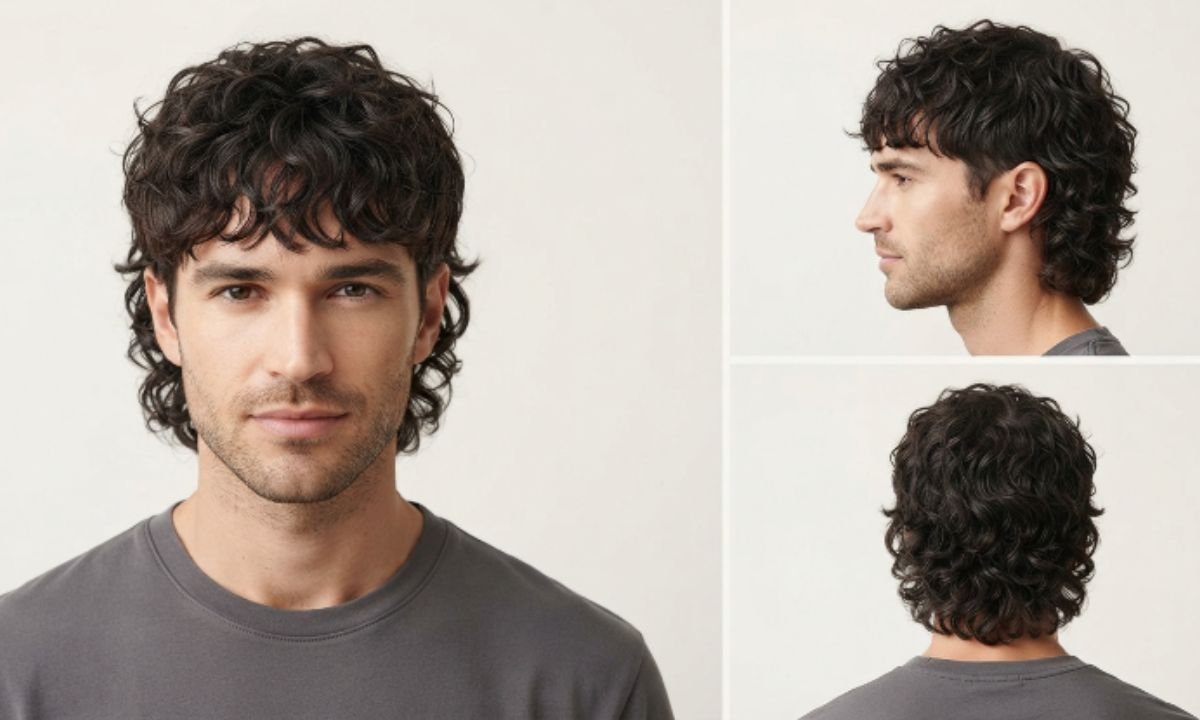
Blunt-cut ends (rather than heavily thinned or razored ends) which curly hair experts generally recommend for reducing frizz at the cut line.
Aesthetic & Styled Curly Wolf Cuts
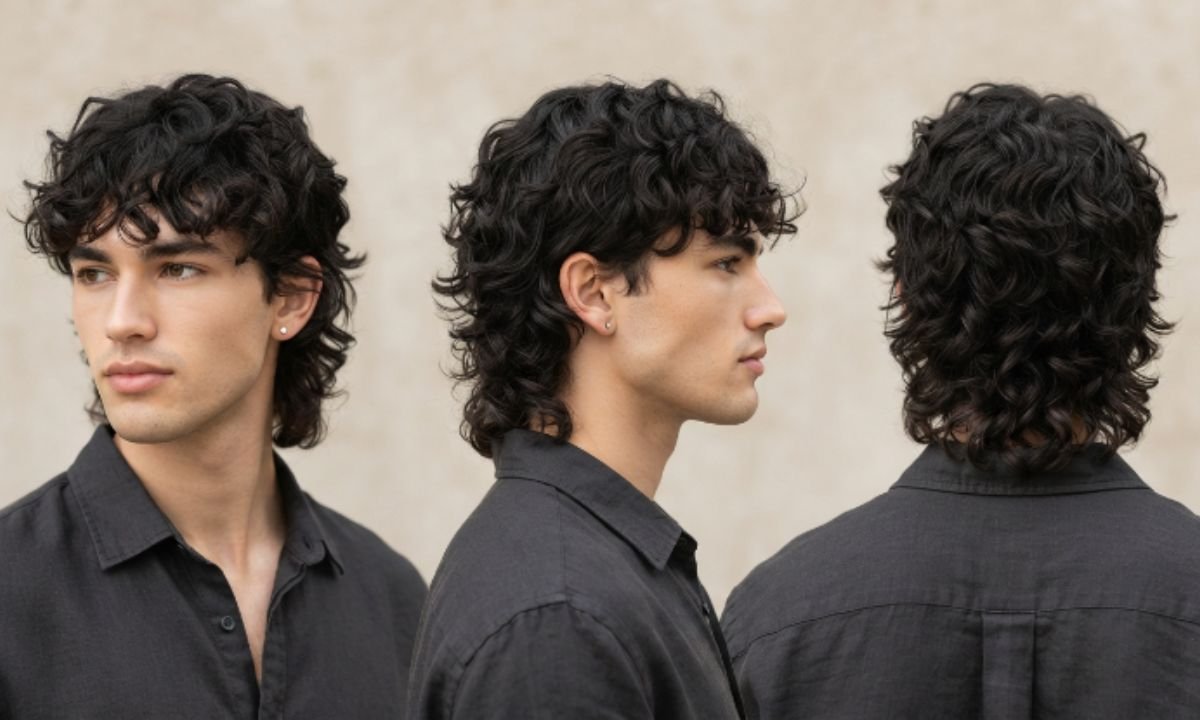
21. Romantic Soft Curls Wolfcut

Loose, relaxed curl definition with minimal product, for an undone, soft-focus look.
22. Sharp Edgy Wolfcut Curls

More defined, almost sculpted curls with crisper layer lines. Works well styled with a strong-hold curl cream.
23. Retro Shag Curly Wolf Cut
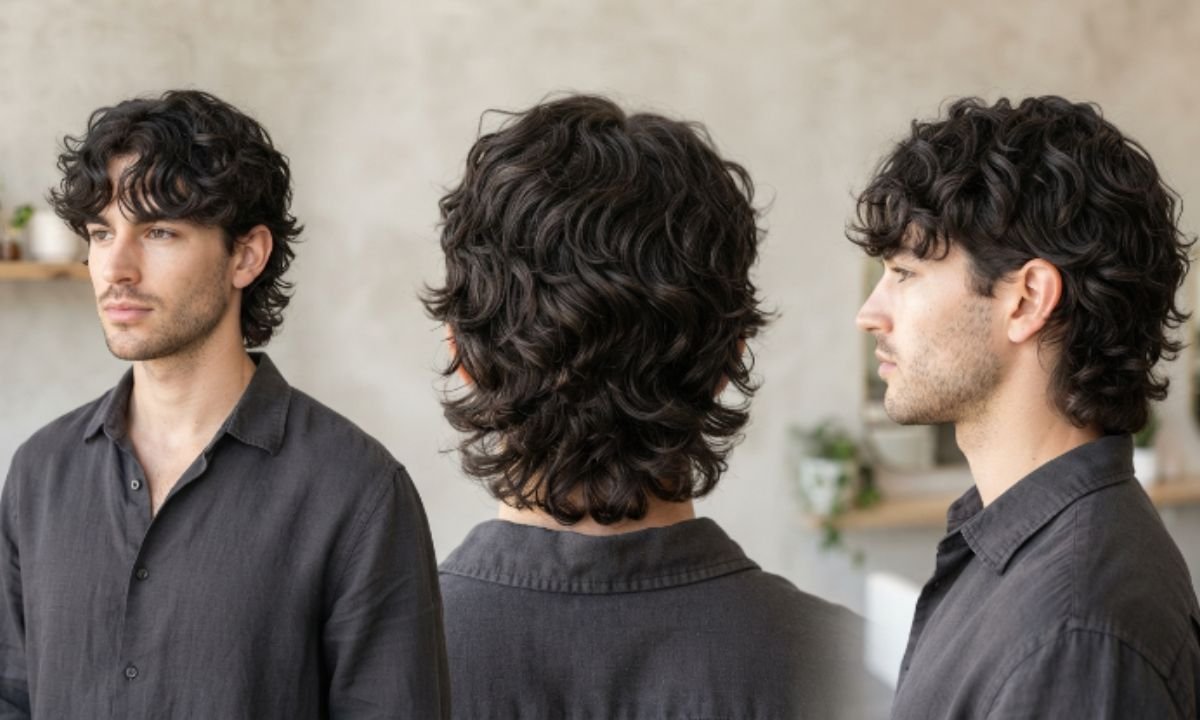
Leans hard into the ’70s shag roots of the wolf cut, with heavier fringe and rounder layering throughout.
24. Face-Framing Layers Curly Wolfcut

Layers cut specifically to hit around the cheekbones and jaw, drawing attention to the face rather than just building volume on top.
25. Chin-Length Curly Wolf Cut

A shorter overall length that still keeps the wolf cut’s signature shorter-crown, longer-back structure, just scaled down.
26. Loose Wave Wolfcut
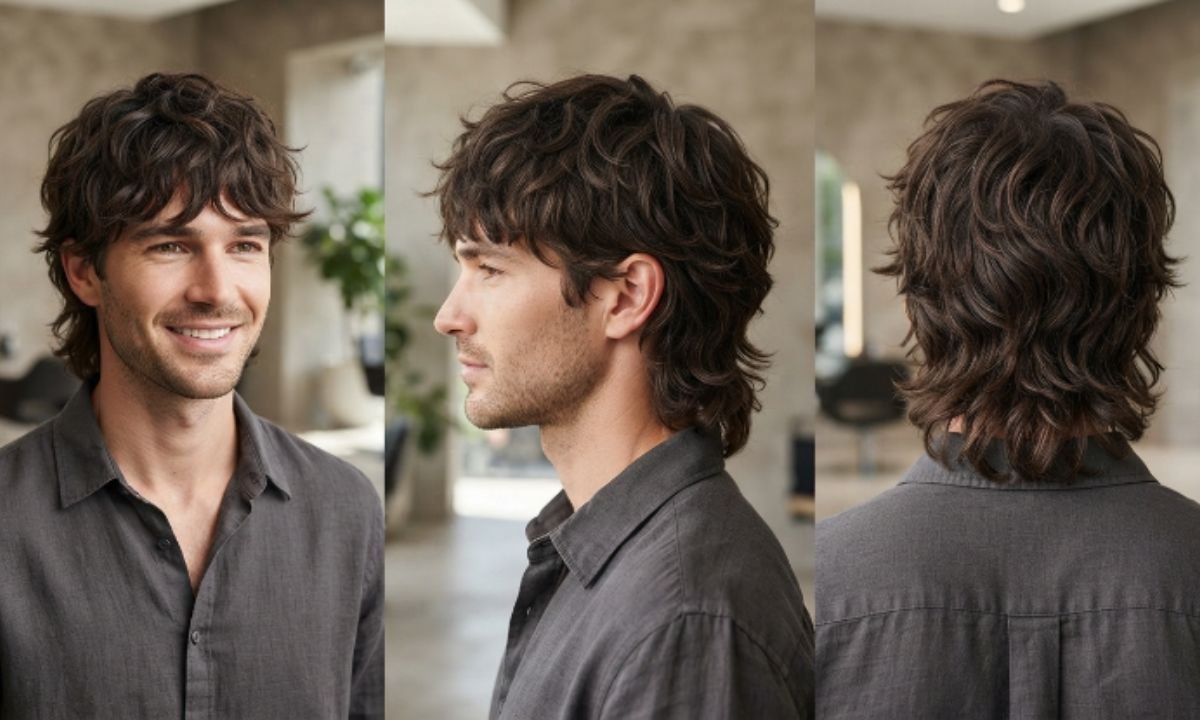
Best suited to looser wave patterns (2A/2B), where the cut adds movement to hair that doesn’t have much natural volume on its own.
27. Wet Look Curly Wolf Cut

Styled with gel and left to air dry for a glossy, defined finish, popular for going-out looks and photos.
28. Air-Dried Natural Wolfcut Curls

Zero heat, minimal product, curls left completely to their own pattern. The lowest-effort daily option once the cut is done right.
29. Voluminous Crown Wolf Cut

Extra layering concentrated at the very top of the head to maximize height and volume, a good pick for guys with rounder face shapes.
30. Low-Maintenance Medium Wolfcut Curls

A medium-length, moderately layered cut built specifically to survive busy schedules; wash, scrunch, go.
31. Wolf Cut Curly Hair Ponytail Style
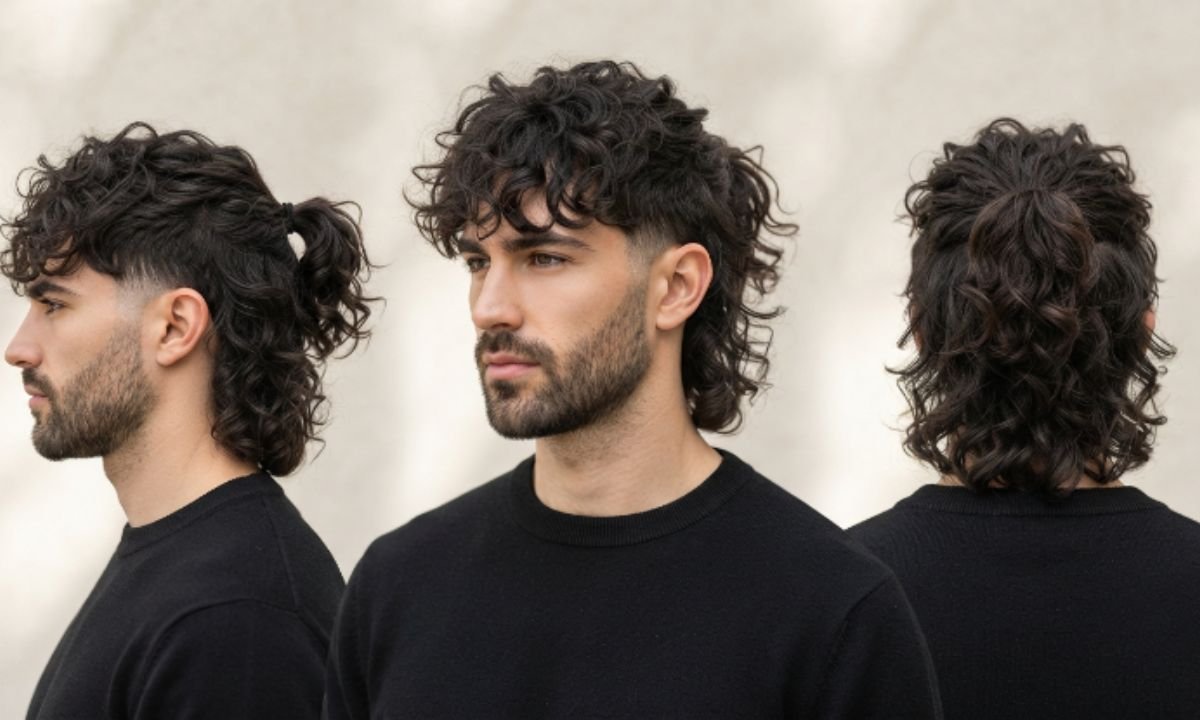
Styled to still look intentional when the front sections are pulled back into a short ponytail or half-up knot.
32. Soft Bangs Curly Wolf Cut
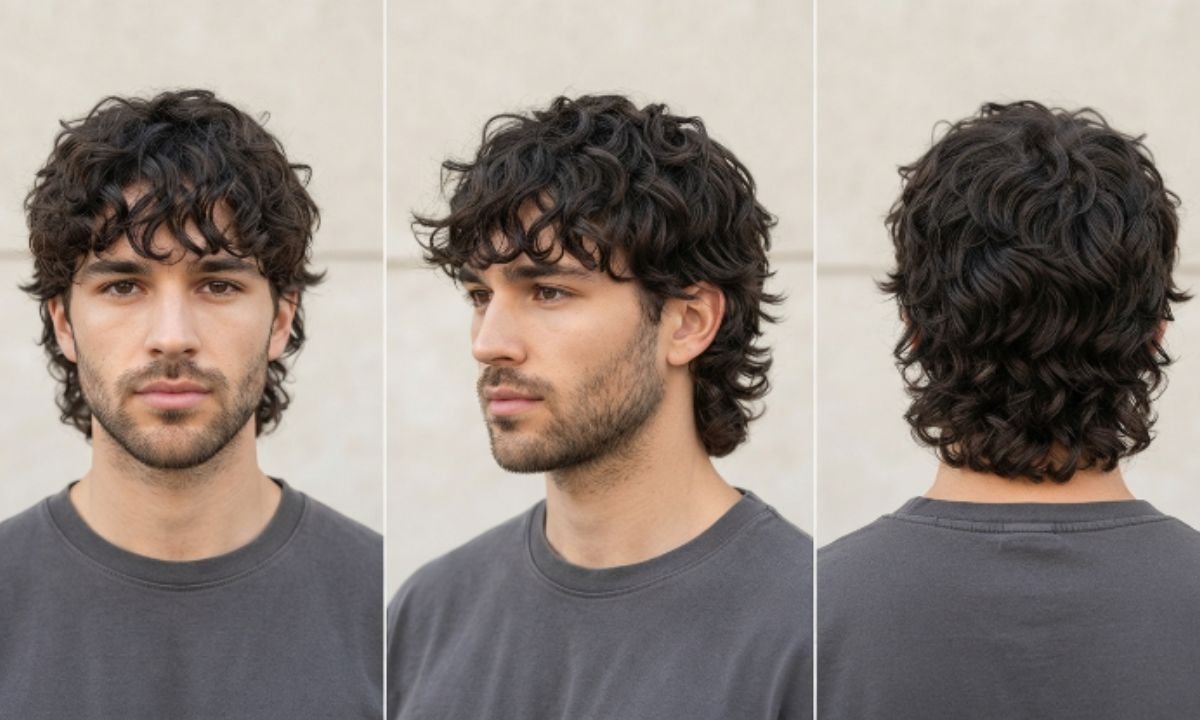
A lighter, wispier fringe than the full curtain bang version, for guys who want some forehead coverage without the commitment.
33. Glam Event Curly Wolf Cut
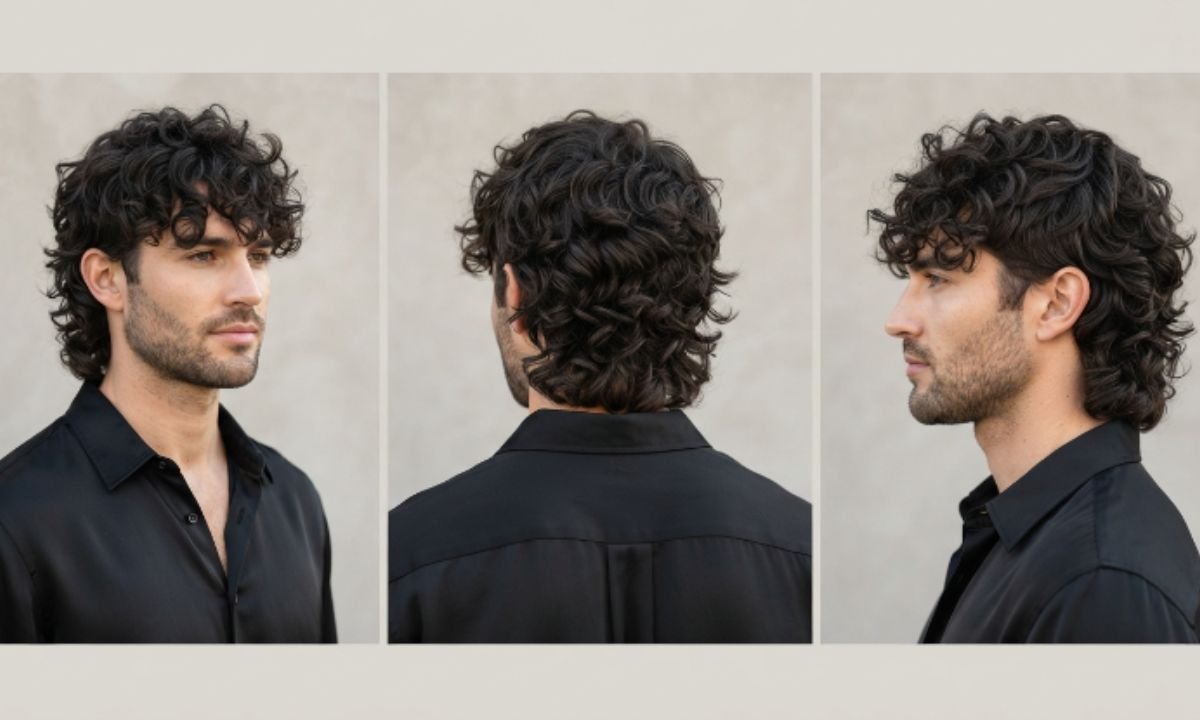
Extra definition and shine product for special occasions, with curls scrunched and diffused for maximum bounce.
34. Natural Texture Wolfcut

Cut dry, on unstretched curls, so the stylist can see exactly how each curl behaves before removing a single strand. Increasingly the standard approach among curl specialists.
35. Longer Back Curly Wolfcut (Modern Mullet Feel)

Pushes the length contrast further than a typical wolf cut, with a noticeably longer back section for guys who want more mullet energy.
36. Curly Wolf Cut With a Hard Part

A razor-shaved line replaces the soft side part, giving tighter curl patterns a crisp, barbershop-fresh edge that holds shape between cuts.
37. High-Top Curly Wolf Cut
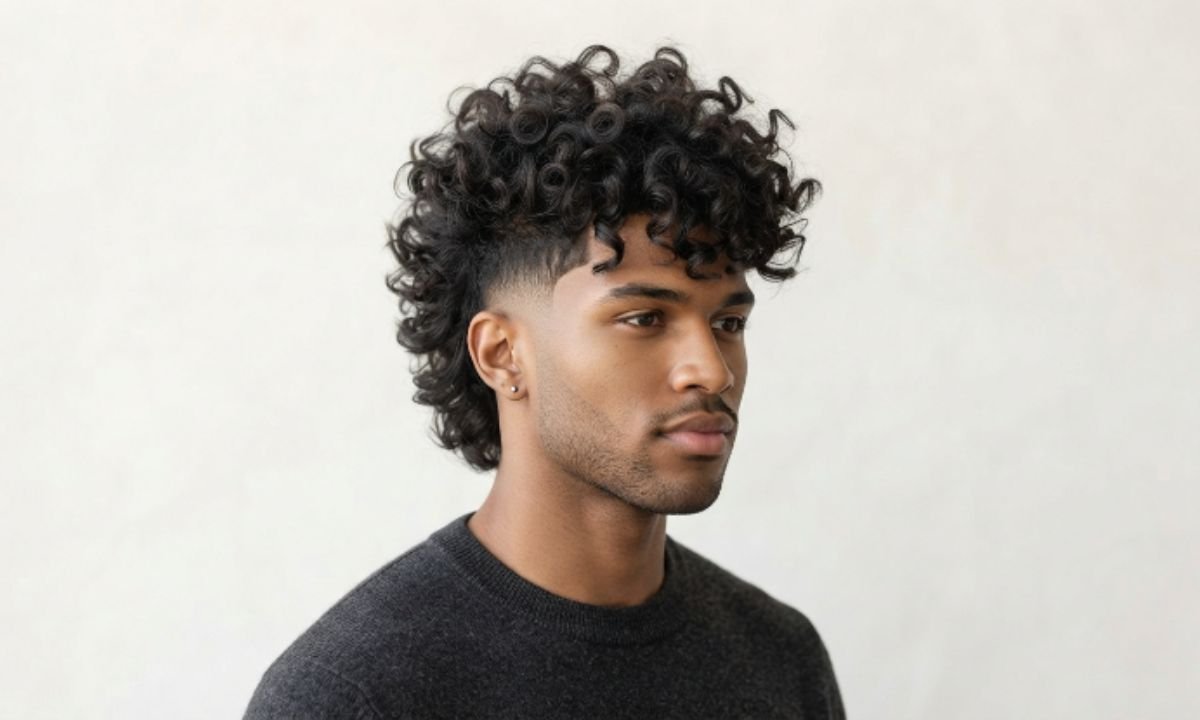
Extra height built into the crown layering, inspired by high-top fades, for guys who want the cut to read bold from across the room.
38. Undercut Curly Wolf Cut

Shaved or closely clipped underneath with the longer curly layers left on top, so the wolf cut’s texture stays the star even when hair is pushed up or back.
Wolf Cut vs. Shag vs. Mullet: What’s the Difference?

These three get lumped together constantly, and honestly, the lines blur. But here’s the practical difference. A shag is layered all over with no strong length contrast between the front and back; it’s texture-first. A mullet is defined by a hard length contrast: short on top and sides, long in the back, with less internal layering. A wolf cut sits between the two: it takes the mullet’s short-to-long silhouette and adds the shag’s heavy internal layering everywhere, not just at the back.
Why Layers Work So Well on Curls
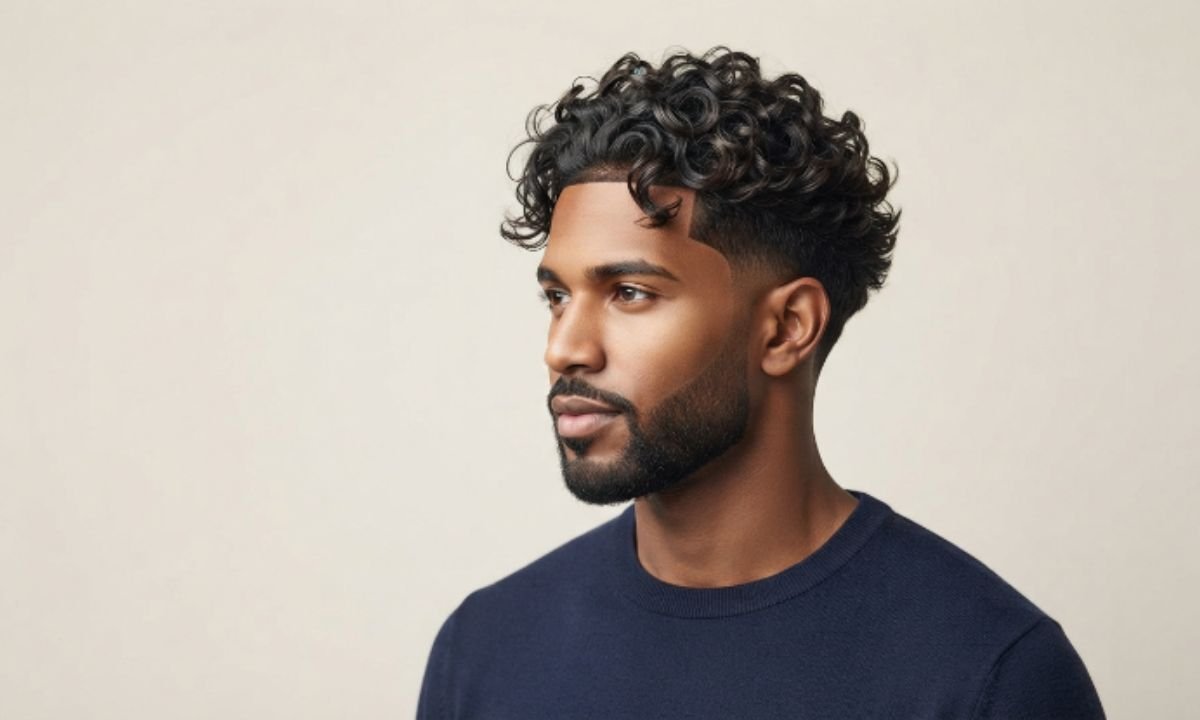
Curly hair shrinks. A curl that measures 6 inches straight might sit at 4 inches once it springs up. Heavy, one-length cuts tend to fight this because they create a single dense blob shape as everything shrinks to roughly the same visual length. Layering breaks that up. Shorter layers near the crown shrink into their own defined shape, while longer layers underneath fall and stretch differently, and the result is a cut that has depth and movement instead of one uniform poof.
Is a Wolf Cut Good for Curly Hair? Who Should (and Shouldn’t) Get One

Who It Works Best For
Guys with medium to thick curl density tend to get the best results, since there’s enough hair to layer without looking thin. Wavy (2A-2C), curly (3A-3C), and looser coily (4A) patterns all take to the cut well, especially if you’re already growing your hair past ear length. It’s also a strong pick if you’re bored of a uniform curly shape and want more shape and movement without going short.
Who Should Reconsider
If your hair is very fine and curly, heavy layering can strip out too much volume and leave you looking thin on top. Very short curl lengths (under 2 inches) usually don’t have enough length for the layering to actually show. And if you need a low-fuss, grow-it-and-forget-it cut, a wolf cut needs more regular trims to keep its shape than a simple curly crop does.
How to Get a Wolf Cut on Curly Hair: Salon vs. DIY
Asking Your Stylist the Right Way
Don’t just say “wolf cut.” Bring reference photos, and be specific about where you want the shortest layers (usually the crown) and how much length you want to keep at the back and nape. Mention your curl pattern by number if you know it (2B, 3A, and so on), since that helps a stylist judge shrinkage before they cut.
Choosing a Curl-Specialist Stylist
Not every barber cuts curly hair the same way as a curl specialist. Look for someone trained in dry cutting or curl-by-curl cutting methods, since curly hair should generally be cut dry (or on stretched-but-unstraightened curls) so the stylist can see true shrinkage and shape, rather than cutting it wet and guessing at how much it’ll spring back.
DIY Wolfcut on Curly Hair: Is It Possible?
Technically yes, but it’s risky. Curl shrinkage makes it easy to cut too much off, and internal layering (the technique that makes a wolf cut actually look like a wolf cut) is hard to execute evenly on your own head. If you’re set on DIY, start conservative: trim less than you think you need, work in small sections, and only shape the very ends rather than attempting deep layers your first time.
How to Style a Wolf Cut on Naturally Curly Hair

The Diffuser Method (Best for Volume)
Apply your leave-in and curl cream to soaking wet hair, flip your head forward, and diffuse on low heat while cupping sections of curls into the diffuser bowl. This dries curls in place rather than letting gravity pull them straight, which is where most of a wolf cut’s volume comes from.
Air Drying for Natural Texture
Scrunch product through soaking wet hair, then let it air dry undisturbed (avoid touching it while it’s drying, since that’s what causes frizz). This gives a softer, more relaxed curl pattern than diffusing.
Refreshing Day-Two Curls
Mist hair lightly with water mixed with a bit of leave-in conditioner, then scrunch gently to reactivate the curl pattern without a full rewash.
Styling for Maximum Crown Volume
Dry your roots upside down for the first few minutes, or clip the top section up while the rest dries, to stop the crown from collapsing flat.
Best Products for Wolf Cut Curly Hair

Leave-In Conditioner
Applied to soaking wet hair before anything else, this is what keeps curls from drying out and frizzing, especially important on a cut with a lot of exposed layer ends.
Curl Cream
Provides definition and a light hold without weighing curls down, ideal for the shorter, springier layers around the crown.
Lightweight Mousse
Adds volume at the roots without the crunch that heavier gels can cause, good for guys who want lift without stiffness.
Lightweight Gel
Locks in the curl pattern while it dries, especially useful for the wet-look or glam-event styles on this list. Scrunch out any crunch once fully dry.
Diffuser Attachment
A basic diffuser attachment for your blow dryer is arguably the single most useful tool for keeping a wolf cut’s volume day to day.
Best Wolf Cut Styles by Face Shape
Round faces tend to look best with extra height at the crown and shorter sides, since it elongates the face (styles 6, 29, and 37 above lean into this). Square and angular faces usually suit softer, rounder layering that takes the edge off strong jawlines (styles 1, 21, and 26). Oval faces can wear almost any version, since the cut’s balance already suits the face shape. Longer faces do well with more width and volume at the sides rather than extra height (styles 5, 10, and 35).
How Long Does a Wolf Cut Last on Curly Hair?
The shape typically holds for 8 to 12 weeks before it starts losing definition, though curly hair often stretches that window a bit further than straight hair because shrinkage disguises early growth. Most curl specialists recommend a light trim (not a full recut) around the 8-week mark to keep the layer lines sharp, with a full reshape every 4 to 6 months depending on how fast your hair grows.
Frequently Asked Questions
Does a wolf cut work on all curl types?
Yes, though the styling and layering approach shifts depending on pattern. Looser waves need more layering to fake volume; tighter coils usually need less, since they already have plenty of natural lift.
Is a wolf cut the same as a curly mullet?
Not quite. A curly mullet keeps the classic short-front, long-back shape with less internal layering, while a wolf cut layers the entire head more heavily.
How much hair do you need for a wolf cut?
Most stylists want at least 4 to 6 inches of length (measured straight, before shrinkage) to have enough room to create real layer contrast.
Can I get a wolf cut with a receding hairline?
Yes, many guys use the shorter crown layers of a wolf cut to soften a receding hairline rather than trying to hide it entirely.
Does a wolf cut require a curl specialist?
It’s strongly recommended, especially for the first cut. A generalist barber can maintain it afterward with clear instructions.
How often should I trim a wolf cut?
Every 8 to 10 weeks for a light shape-up, with a full recut roughly twice a year.
Will a wolf cut make my curls frizzier?
Not if it’s cut correctly. Blunt-cut ends (rather than thinned or razored ends) actually reduce frizz at the layer lines.
Can fine curly hair handle a wolf cut?
Yes, but ask your stylist for lighter, more conservative layering so you don’t lose too much volume.
What’s the difference between a wolf cut and a shag on curly hair?
On curly hair the line blurs more than on straight hair, but a wolf cut keeps a clearer length contrast between the crown and the back, while a shag stays closer to one length with heavy texturizing throughout.
Do I need a diffuser for a wolf cut?
It’s not required, but it’s the fastest way to get the volume the cut is designed to show off. Air drying works too, just with a softer result.
Can I color a wolf cut without damaging my curls?
Yes, as long as you go to a colorist experienced with curly hair, keep processing time conservative, and follow up with regular deep conditioning, since curly hair is already more prone to dryness than straight hair.
Final Thoughts
The wolf cut earns its popularity honestly: it’s one of the few haircuts that actually gets better on curly hair than on straight hair, because the texture you already have does half the styling work for you. Whether you want the low-key version with a soft taper fade or a full statement look with color and heavy layering, there’s a variation on this list built for your curl pattern, your face shape, and how much time you actually want to spend on your hair in the morning. Bring reference photos, find a stylist who knows curls, and give the cut a proper growing-out period before judging the final shape. It’s worth it.
