
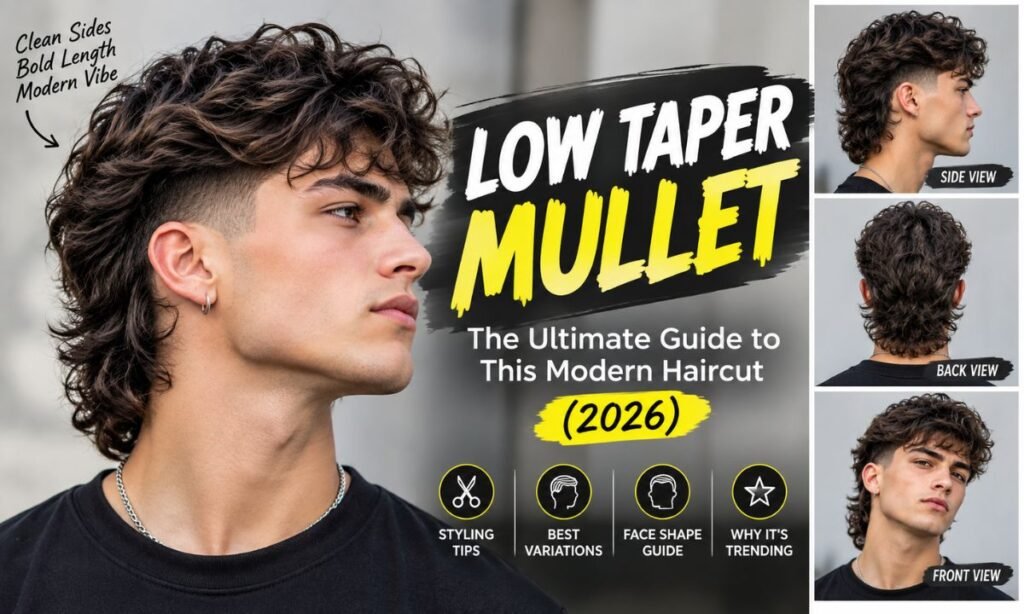
Want a mullet that won’t get you side-eyed at work? The low taper mullet is your answer.
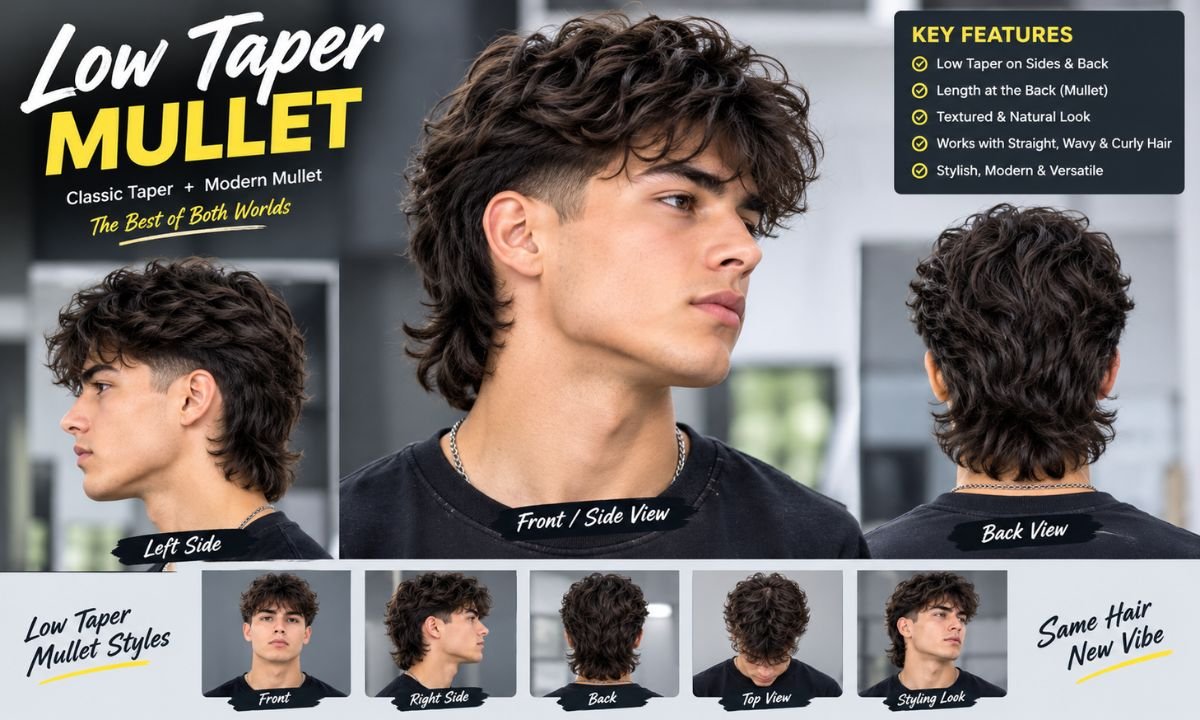
It keeps the sides short and clean around the ears and neckline. The back stays longer and relaxed. You get the edge of a mullet with the polish of a taper fade.
Here’s what this guide covers. You’ll learn what defines the cut, which version fits your hair, and what to tell your barber. You’ll also get a home styling routine and a maintenance schedule.
What Is a Low Taper Fade Mullet?
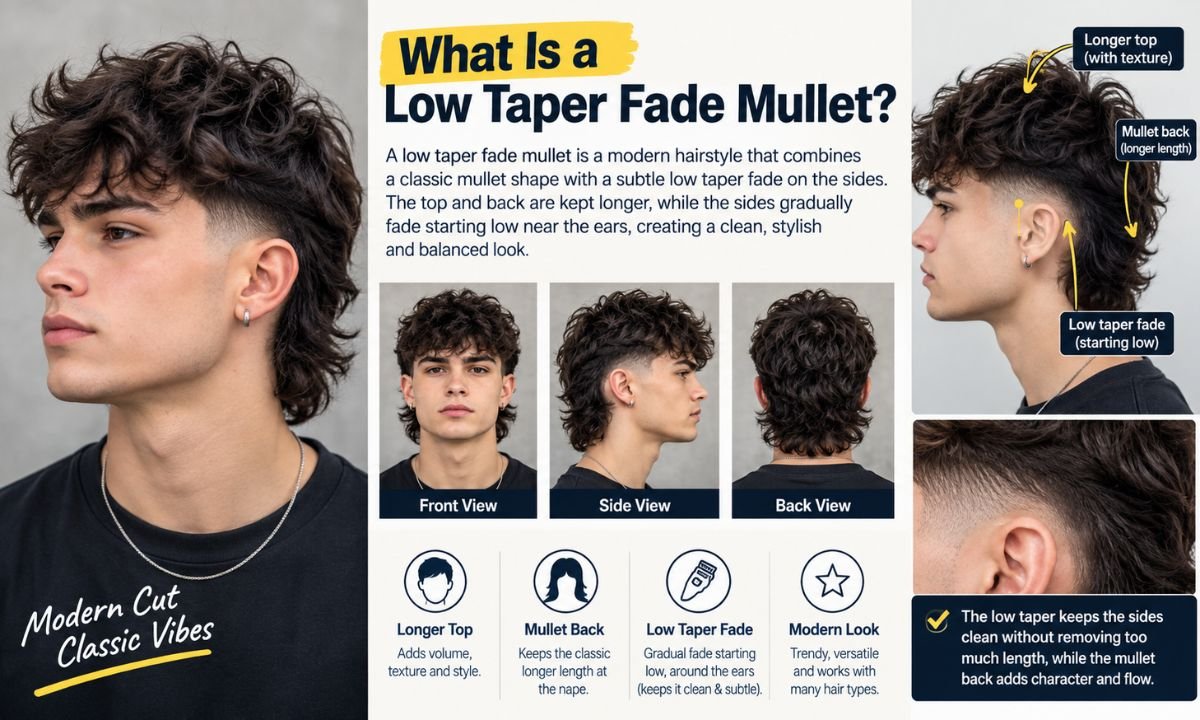
A low taper fade mullet blends a classic mullet with a subtle fade. The hair tapers gradually behind the ears and along the nape. It starts low, so the sides stay soft instead of skin tight.
Think of it as the grown-up mullet. The old “business in front, party in back” idea is still there. The difference is a clean, blended finish.
Most people picture a rough, uneven cut when they hear “mullet.” This version looks intentional. The tapered sides frame your face, and the length behind adds movement.
The Features That Define the Cut
Every good low taper mullet has a few things in common. Spot them and you’ll know when a barber nailed it.
The low taper. The fade begins just above the ear and follows the hairline. It never climbs toward the temple. That keeps the look subtle.
Longer back section. The hair at the nape grows out past the collar, usually 3 to 6 inches. Some guys go longer. It’s the mullet’s signature.
Connected layers. The top flows into the back through layers. Nothing should look chopped or disconnected. A smooth transition is what separates a modern cut from a throwback.
A clean neckline. Most barbers finish with a tapered or rounded neckline. It keeps the back tidy as it grows in. A blunt edge looks bolder, but it needs more upkeep.
Why Choose a Low Taper Fade Mullet Over Other Mullet Styles?
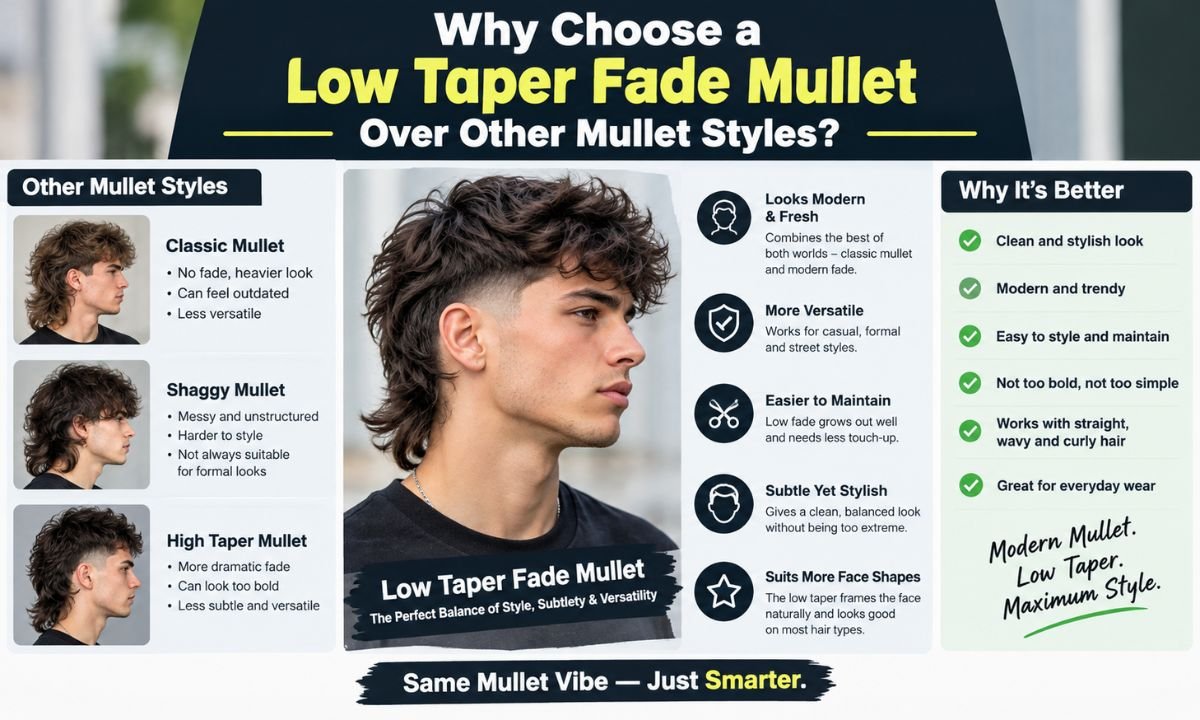
Let’s be honest. A full high fade mullet is a statement. It works at a festival, but it can feel loud in a meeting.
The low taper is the friendly alternative. It keeps enough hair on the sides to look soft and lived in. You still get the mullet shape without the shock value.
It’s also more forgiving as it grows out. A skin fade shows every millimeter of regrowth within two weeks. A low taper lets you stretch appointments a little longer.
There’s a practical side too. The cut works with a hat, a helmet, or a headset. The short sides sit flat, and the back tucks in neatly. If your job or hobbies demand headgear, this matters.
Best Low Taper Fade Mullet Styles and Variations
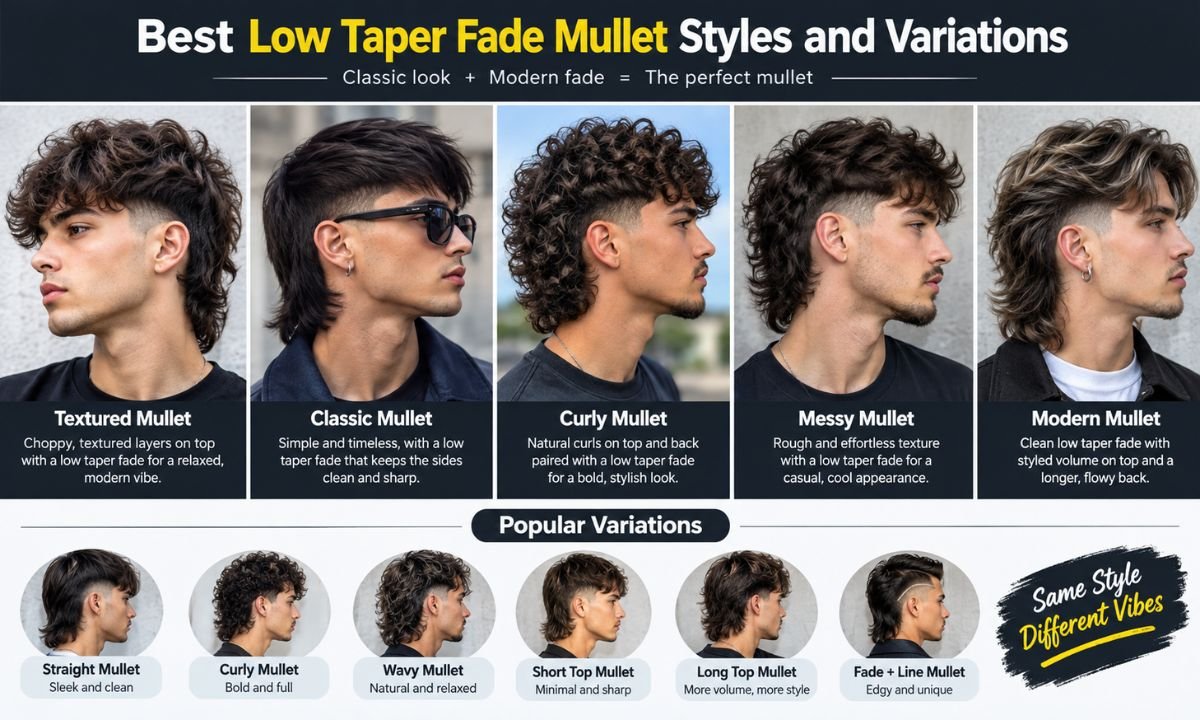
One haircut, plenty of personalities. Your hair texture, lifestyle, and comfort level decide which version suits you. Here are eight to consider.
The Textured Crop Mullet
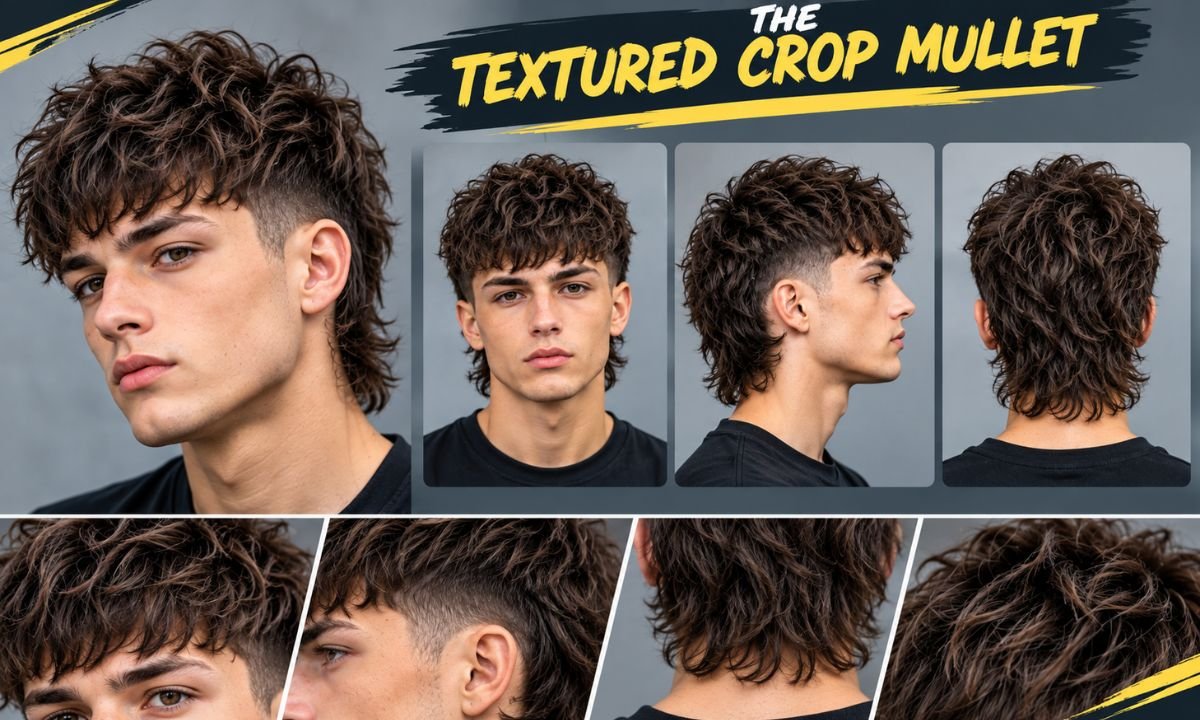
This one pairs a short, choppy top with a slightly longer nape. The textured crop gives you a messy, effortless look. It suits guys who hate fuss in the morning.
Ask for point cutting on top. That creates the piecey texture. A bit of matte clay does the rest.
The Curly Mullet Fade
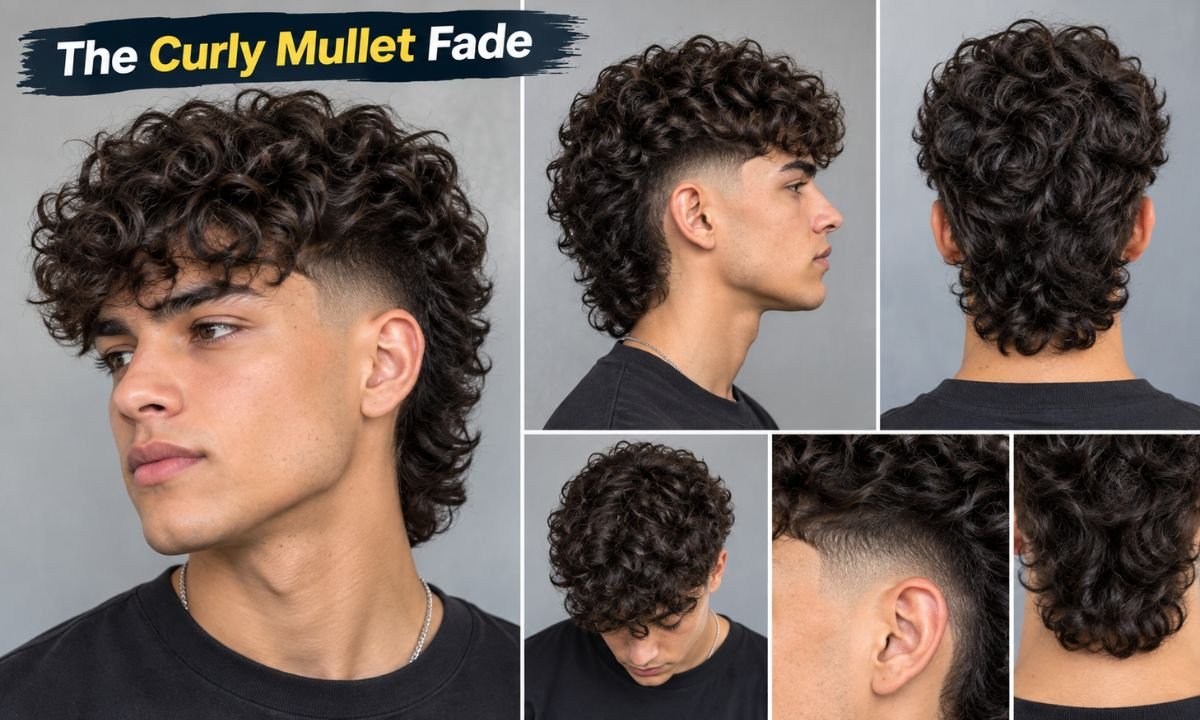
Curls and mullets are a natural match. The curly mullet fade lets your ringlets stack in the back while the sides stay tight. It looks full, bouncy, and a little rebellious.
Keep the top curls long enough to spring up. Don’t let a barber thin them out with razors. Curls need weight to hold their shape.
The Slicked-Back Business Mullet
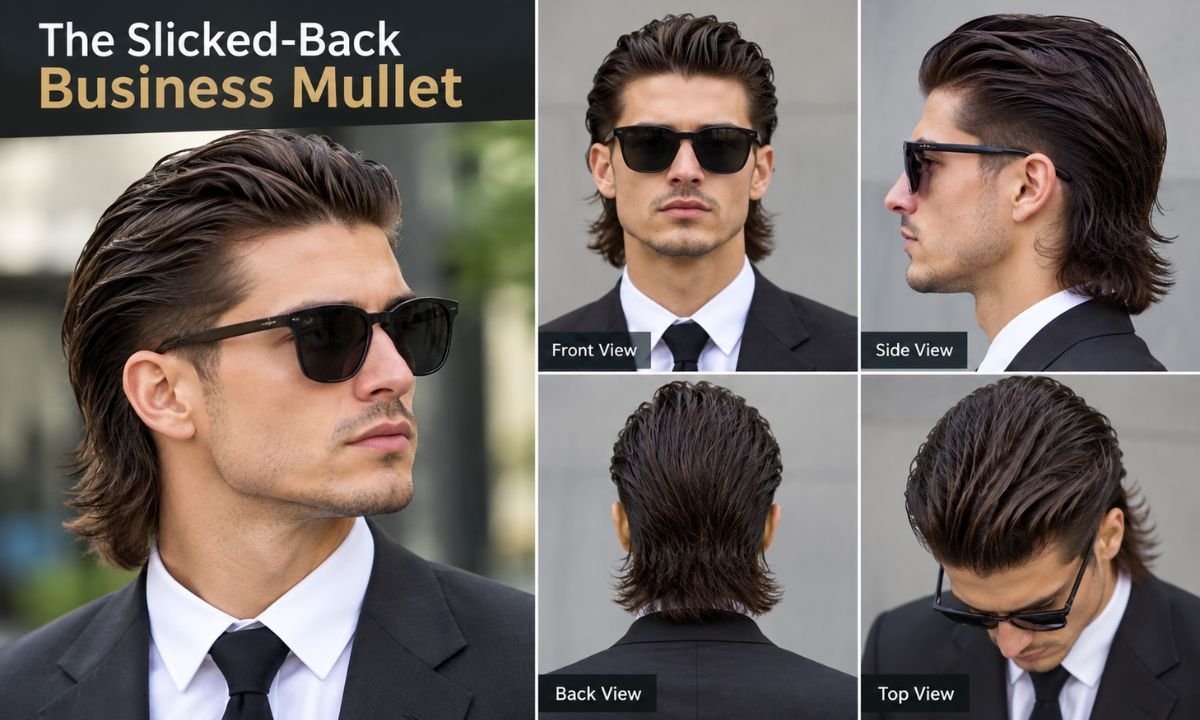
Yes, a mullet can wear a suit. The slicked-back business mullet combs everything back with a light pomade. The taper keeps the sides neat, and the length behind sits sleek against your collar.
Picture a designer named Danny, 28, who wanted a cut for client meetings. Slicked back, it read sharp and modern. Messed up on Saturday, it looked totally different.
The Shaggy Surfer Mullet
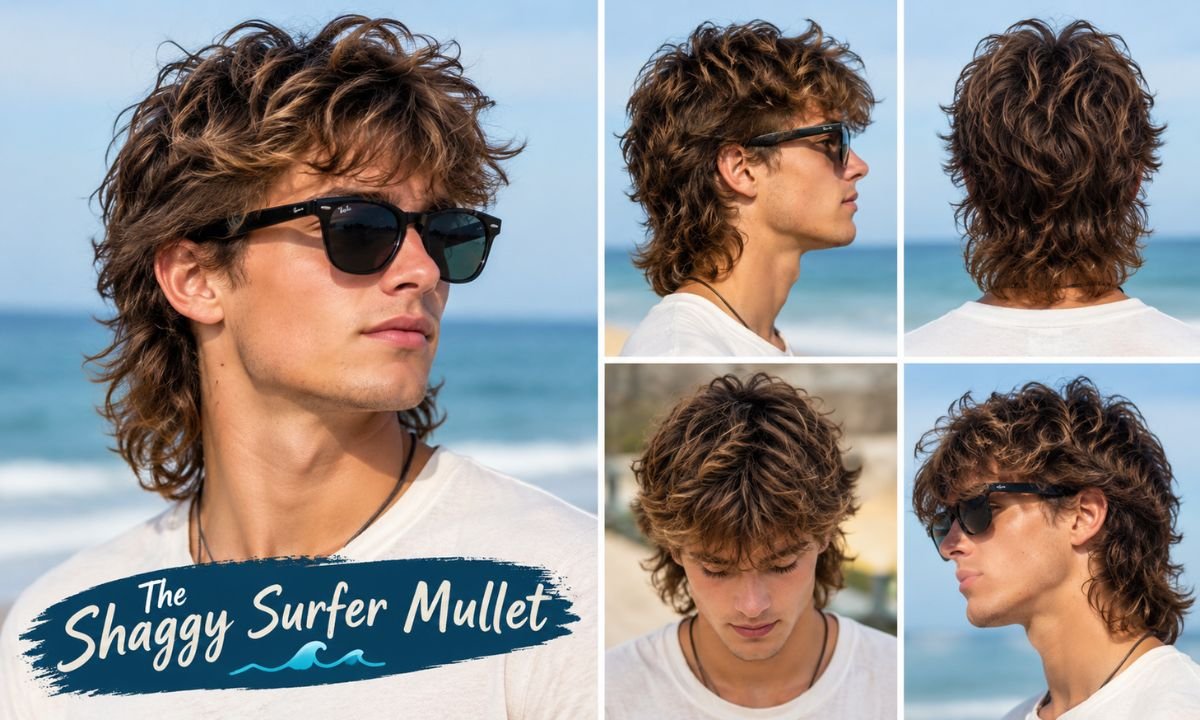
This is the relaxed, beachy option. Long, wavy layers fall over the forehead and merge into a longer back. The shaggy mullet loves sea salt spray and air drying.
The low taper keeps it from looking scruffy. Without it, the shag can swallow your ears and neck. A clean edge gives the mess some structure.
The Wolf Cut Hybrid
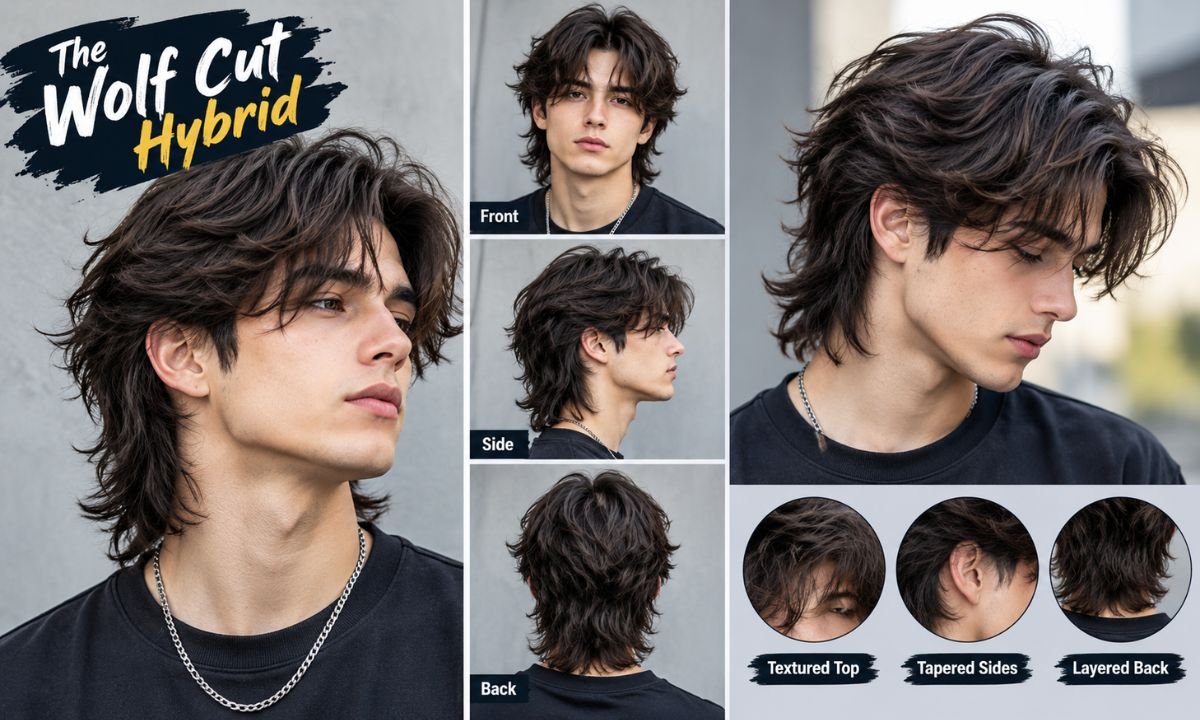
The wolf cut and mullet are cousins. This hybrid combines heavy layers on top with a fuller, wispy back. The taper on the sides keeps the volume in check.
It works well if you want lots of movement. Expect more layers than a classic mullet. Your barber should be comfortable with shaggy, layered work.
The Undercut Mullet
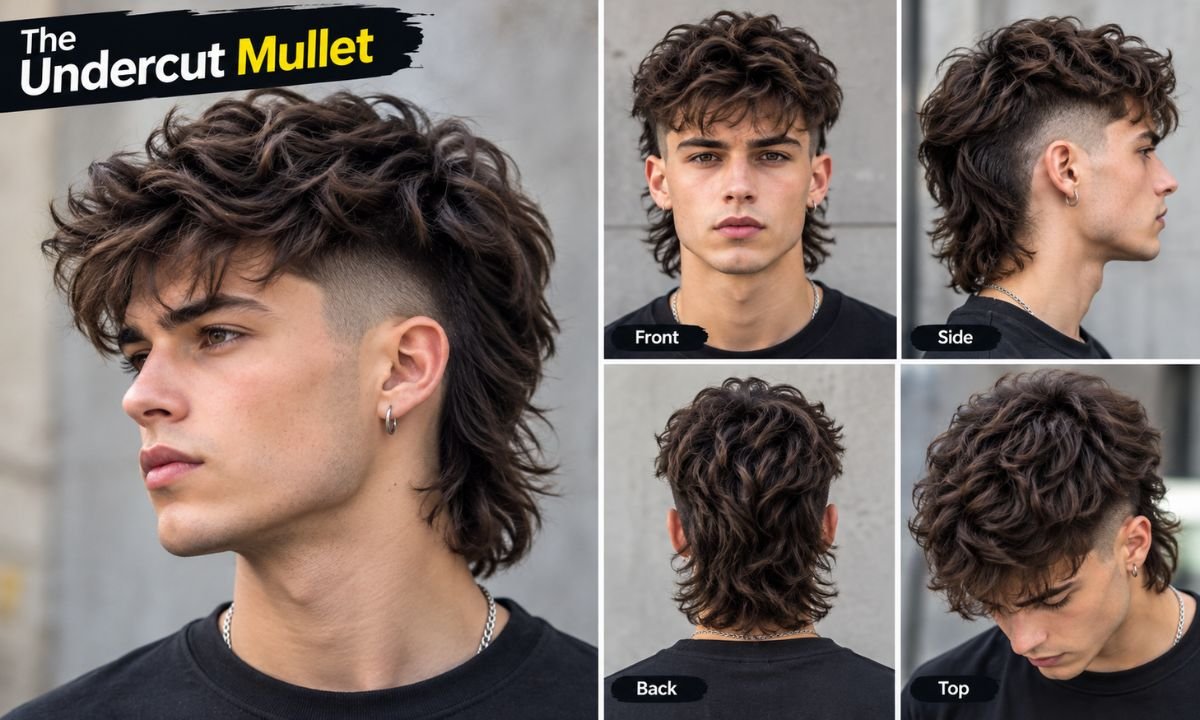
Here the sides are cut noticeably shorter than the top, with a low, soft blend. The contrast makes the top and back stand out. It’s bold, but the low placement keeps it wearable.
This suits guys with thick hair. The short sides remove bulk. The longer top and nape keep the mullet shape.
The Blonde-Tipped Mullet
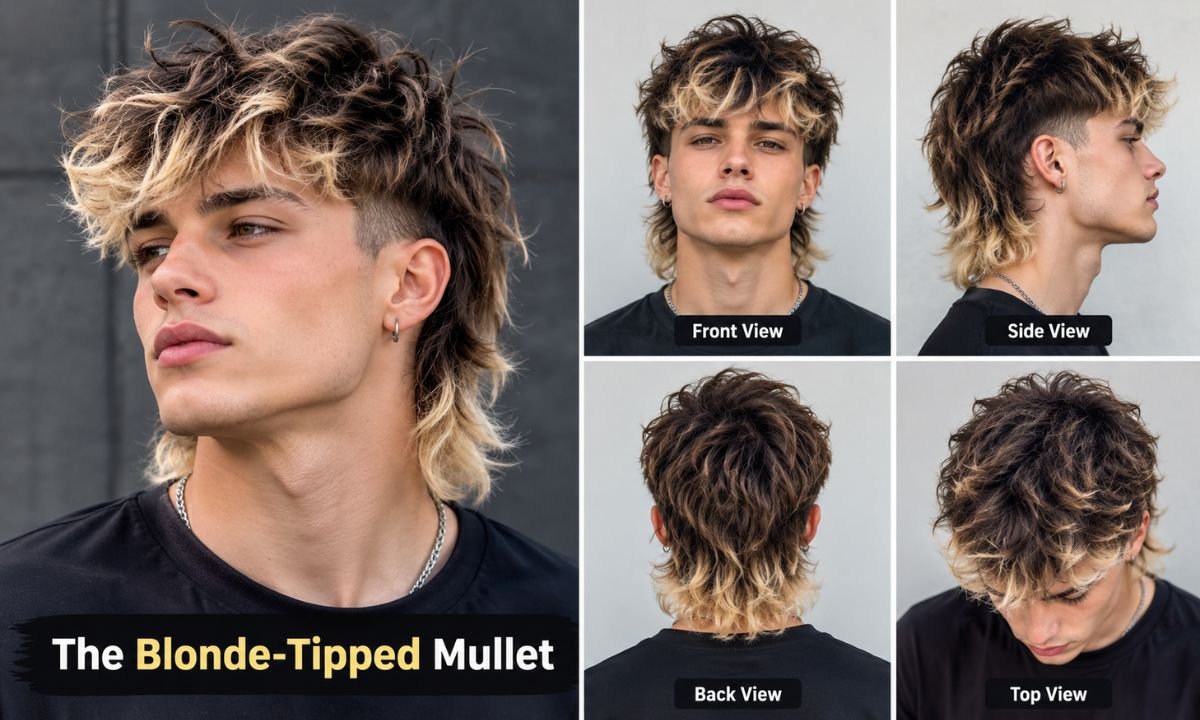
Want a little color? Bleached or honey-toned tips add depth to the layered back. It highlights the texture and makes a subtle cut pop.
Keep the color light and the ends healthy. Bleach dries hair out, so use a moisturizing conditioner. A gloss treatment also helps.
The Faux Hawk Mullet
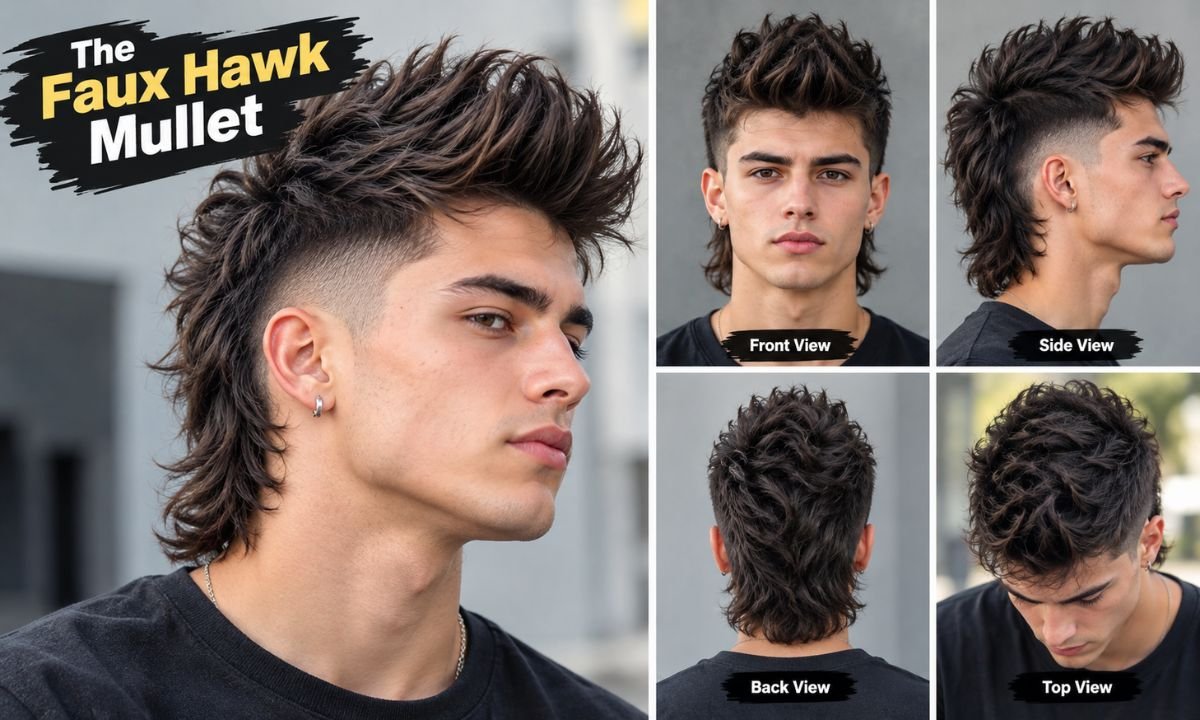
This style lifts the center of the top into a soft peak. The sides taper low, and the back stays long. It’s a middle ground between a mullet and a mohawk.
Use a strong paste to build height. Style it up for nights out. Flatten it for the office.
Short vs. Long: Which Length Is Right for You?
Length changes everything. A short mullet sits just below the collar. A long one can graze your shoulders.
If you’re new to the style, start short. Two to three inches at the back is easy to live with. You can always grow it.
Longer mullets look dramatic, but they need patience and care. Tangles, dryness, and split ends all show up. Think about how much time you’ll give it every morning.
Also weigh your work environment. A conservative office may prefer the shorter version. A creative studio or a relaxed workplace gives you more room.
Low Taper Fade Mullet for Straight, Wavy, Curly, and Thick Hair
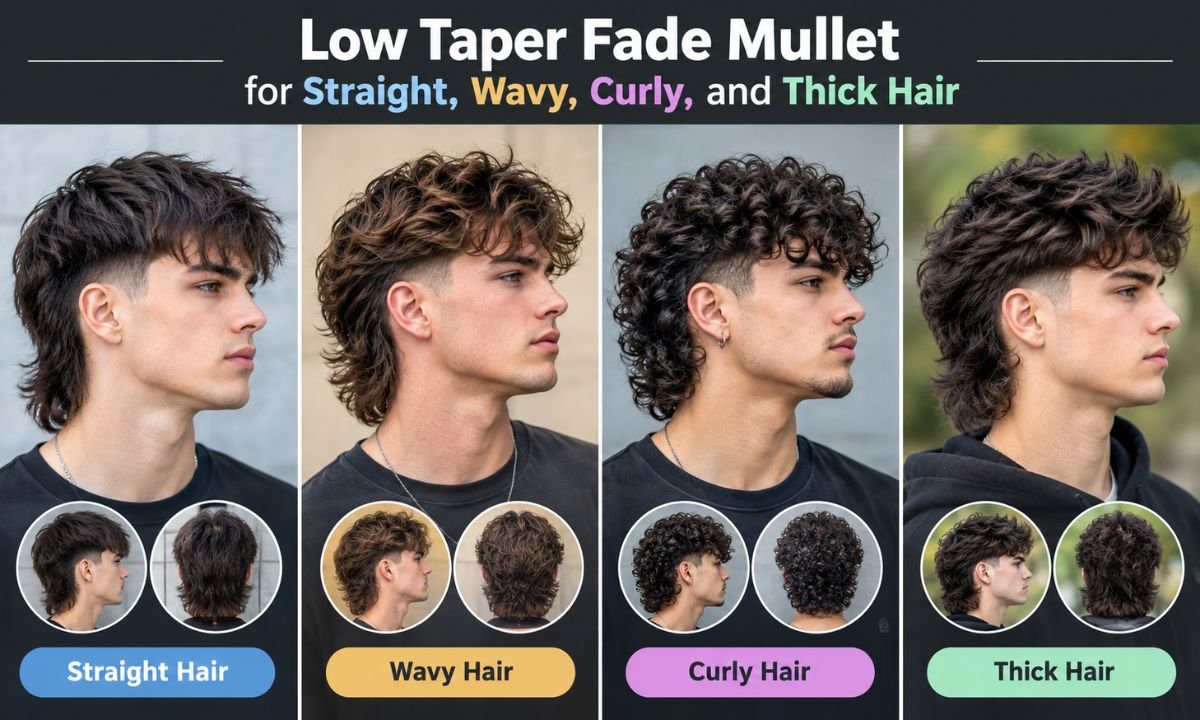
Your hair type decides how the cut behaves. The same haircut can look completely different on two heads. Here’s how to adapt it.
Straight Hair
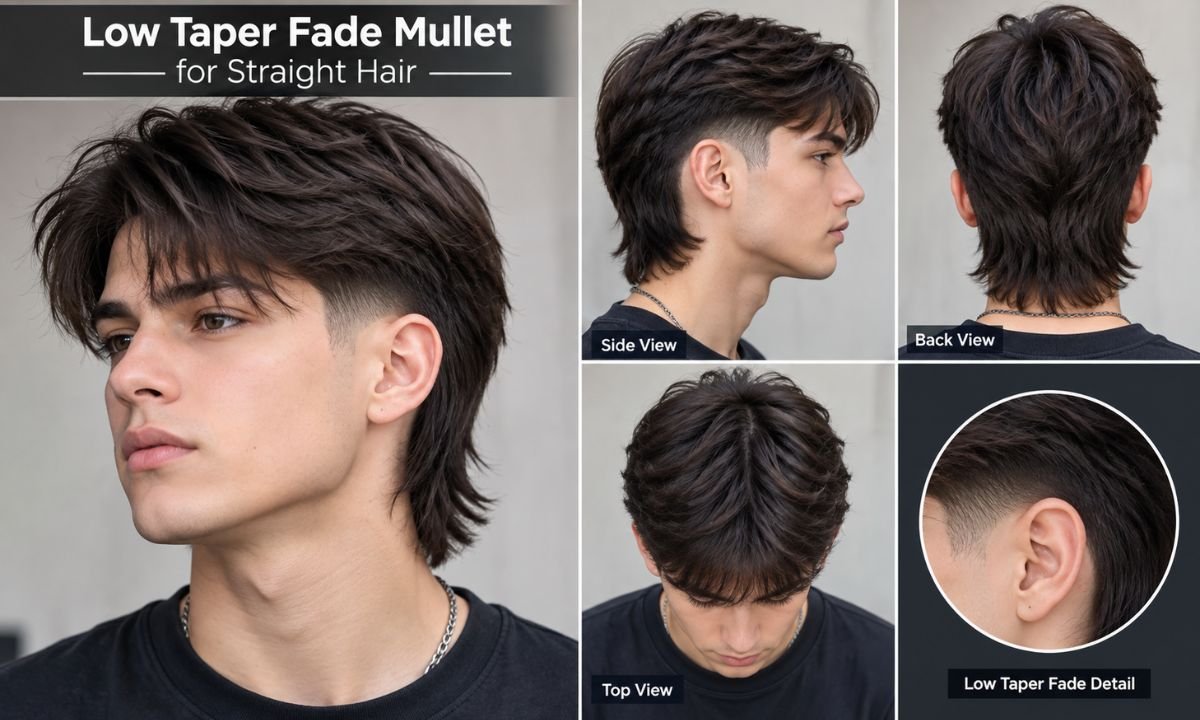
Straight hair shows every cut line. That makes it great for a clean, sharp mullet. The downside is that it can look flat.
Ask for texturizing on top to add volume. A sea salt spray or light volumizing mousse helps a lot. Straight hair also grows out heavy, so trim the back regularly.
Wavy Hair
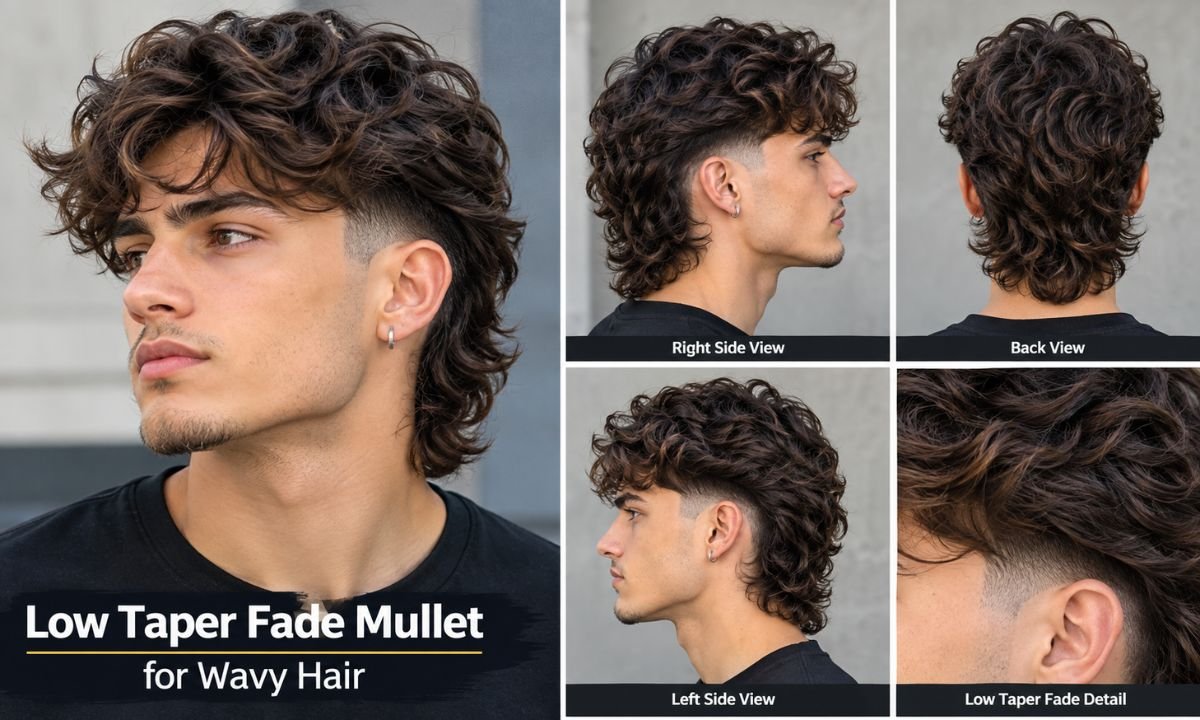
Wavy hair is the sweet spot for mullets. It has natural movement and body. The layers fall into place without much effort.
Let it air dry when you can. Scrunch in a bit of cream for definition. You’ll get that effortless look people pay for.
Curly and Coily Hair
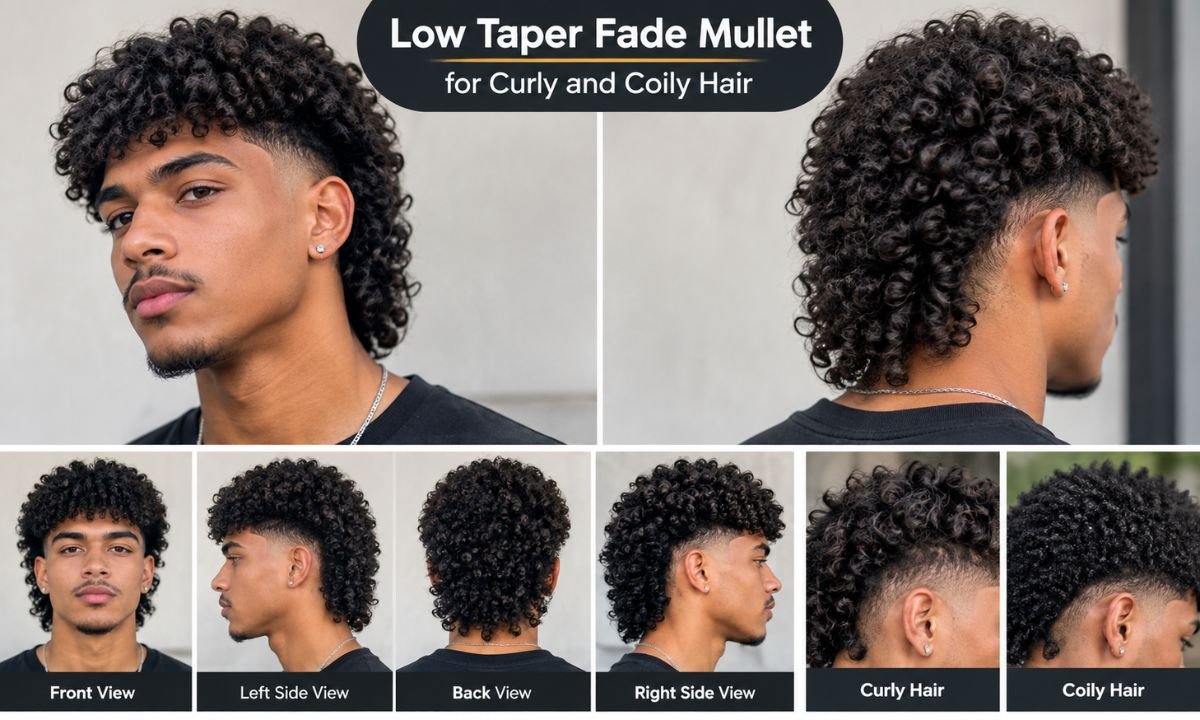
Curls and coils give a mullet incredible volume. The taper keeps the sides neat while the top and back stay full. It can be a striking silhouette.
Moisture is everything here. Use a leave-in conditioner and a curl cream. Cut curly hair dry or with guidance so the barber sees the natural shape.
Thick and Fine Hair
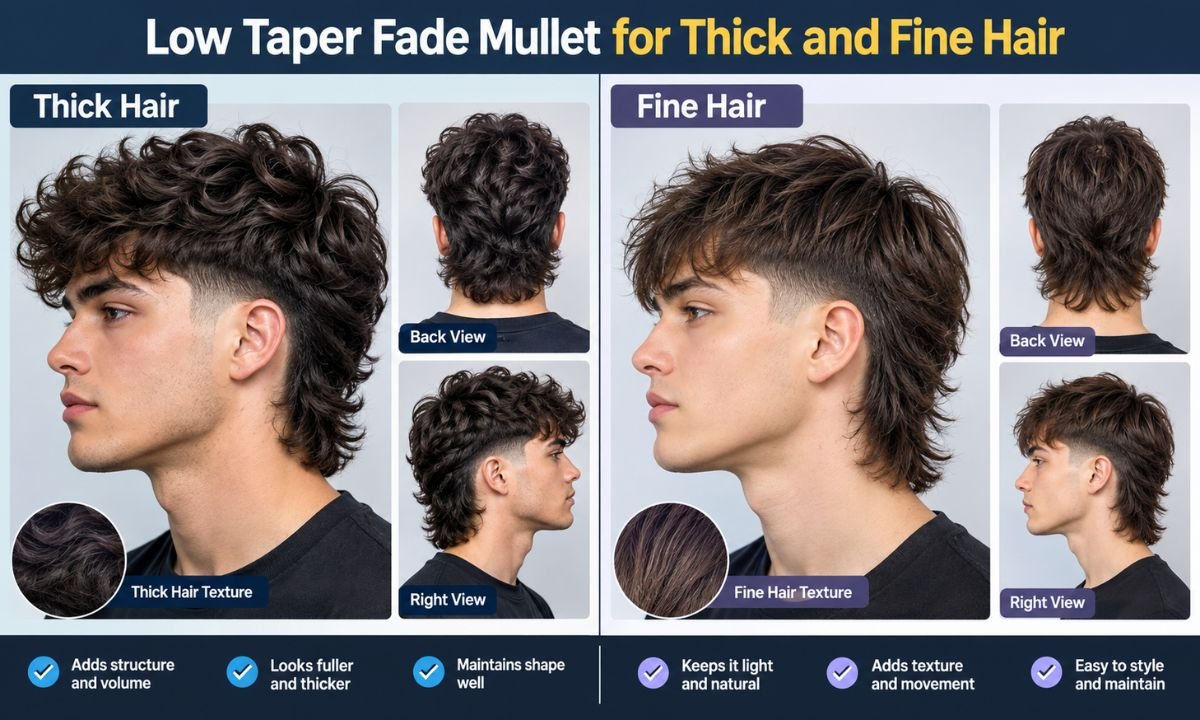
Thick hair can feel like a helmet. Your barber should remove weight with texturizing shears. The low taper also cuts bulk on the sides.
Fine hair needs the opposite approach. Keep some length for body, and avoid over-thinning. Use lightweight products so the hair doesn’t fall flat.
Receding Hairlines
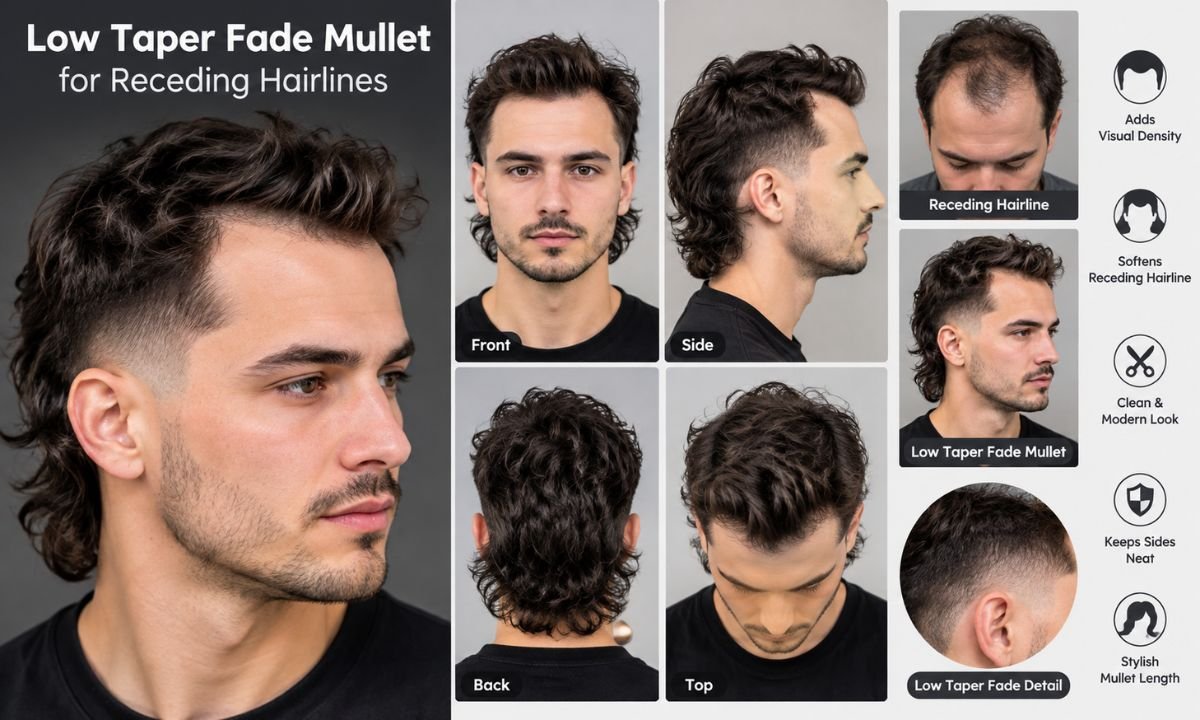
A mullet can work with a receding hairline. Keep the front textured and slightly forward. A fringe softens the temples.
Avoid slicking hair straight back. It highlights the recession. Choose a messy, forward look.
Thinning Crowns
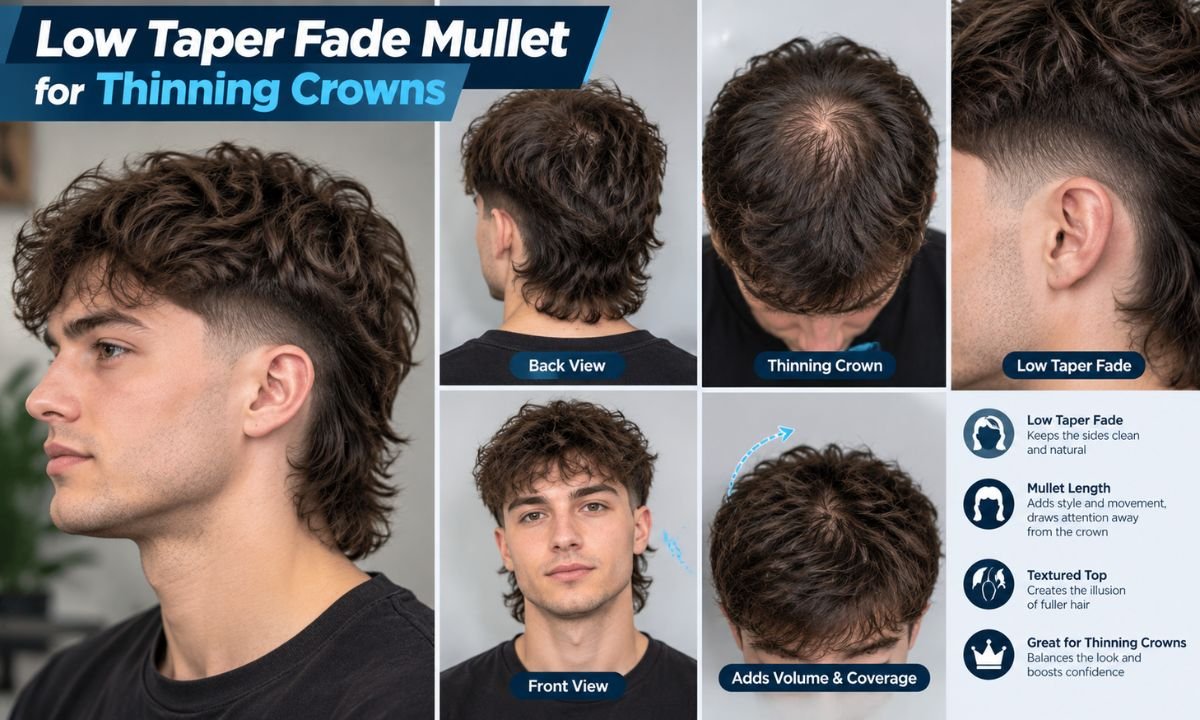
Thinning at the crown calls for smart layering. Leave enough length on top to cover it. A textured finish makes hair look denser.
Use a volume powder at the roots. It gives instant lift. Skip heavy pomades, since they clump strands and show scalp.
Stubborn Cowlicks
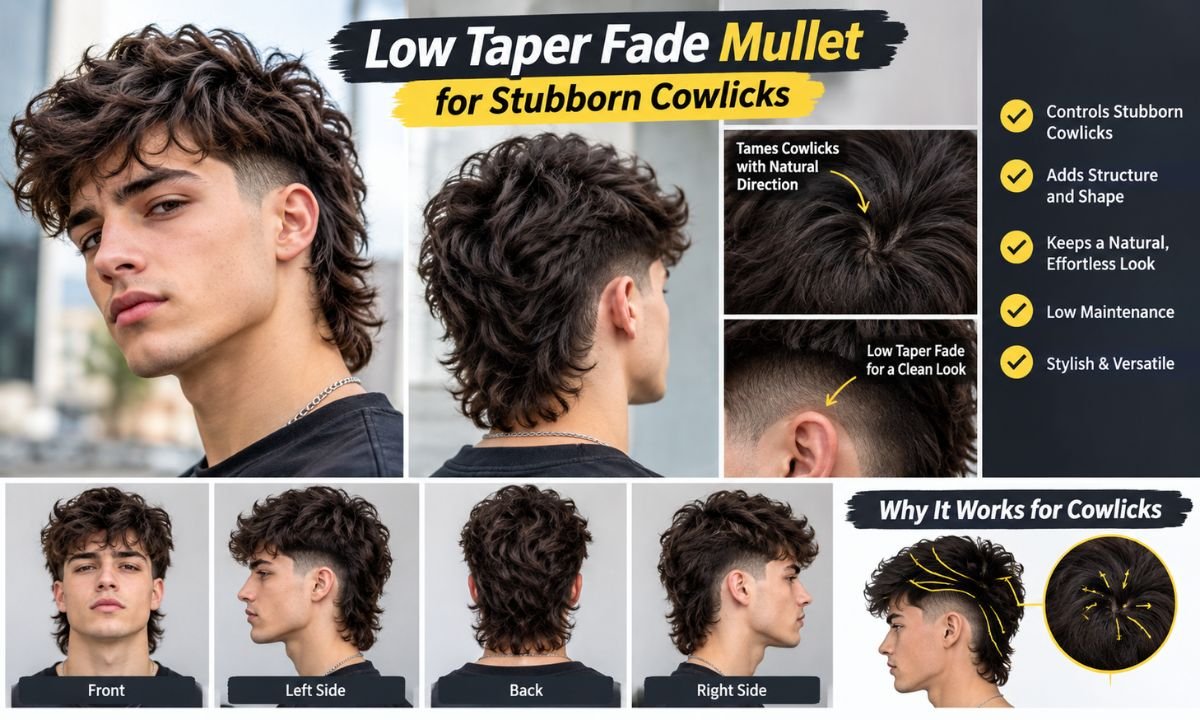
Cowlicks fight your styling. Work with them instead of against them. A good barber will cut around the growth pattern.
At the back, a cowlick can make the mullet flip out. Keep the length balanced there. A little blow-dry direction in the morning trains it.
Low Taper Mullet Textured Fringe
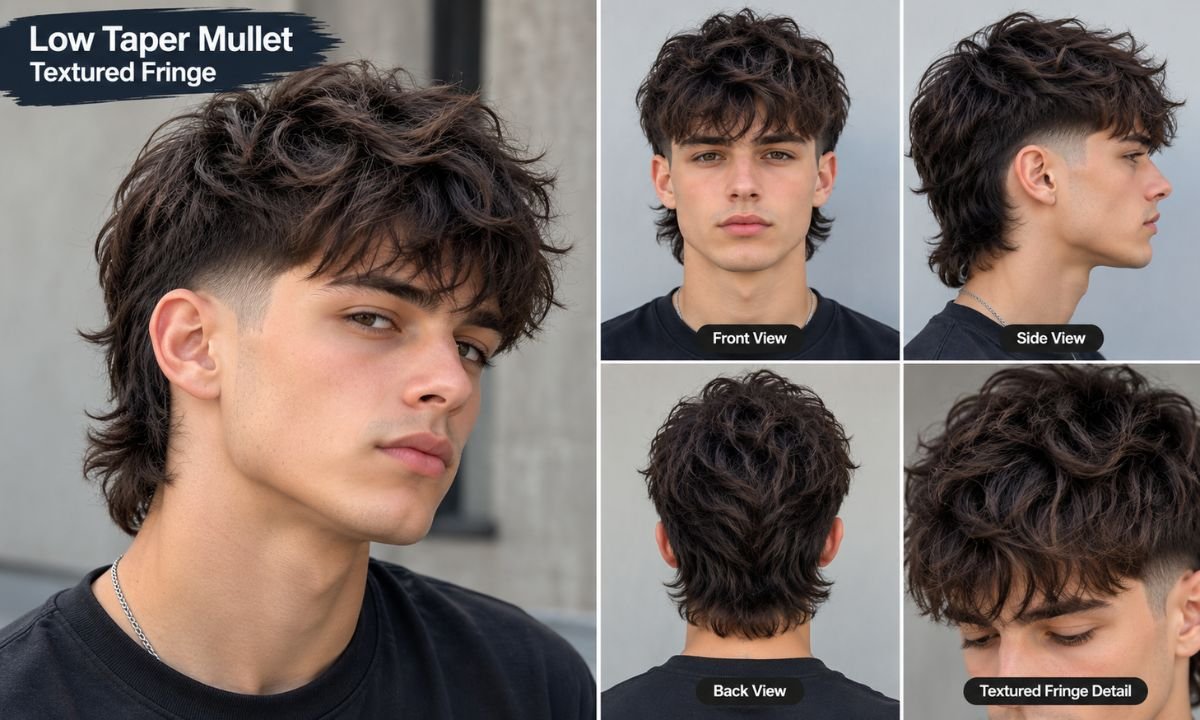
A textured fringe adds attitude to the front of a mullet. It’s short, choppy hair that falls over the forehead. It balances the longer back nicely.
Think of it as the front porch. The fringe frames the eyes, and the taper cleans up the sides. Together they create a full, modern shape.
To get it, ask for point cutting and a slightly cropped length. Style it with a matte paste. Push it forward, then break it up with your fingers.
Low Taper Mullet Men
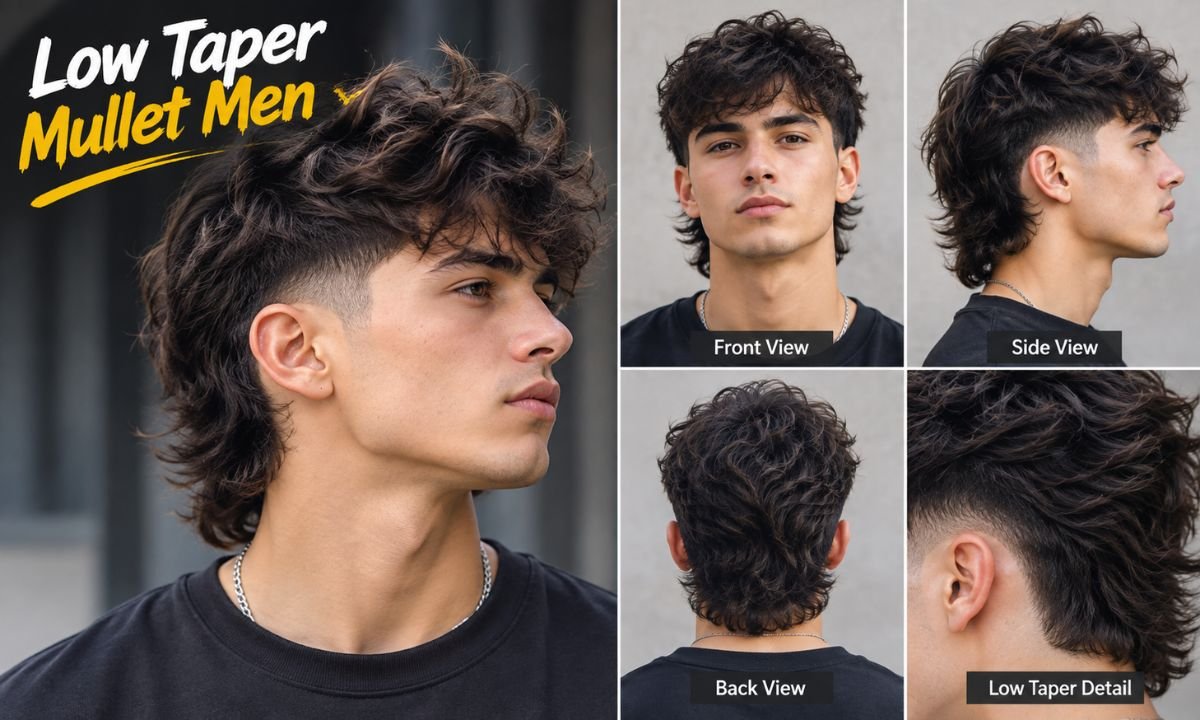
For men, the low taper mullet bridges bold and professional. It suits college students, office workers, and creatives. It also ages well.
Guys in their thirties and forties often prefer the cleaner, shorter versions. Younger guys tend to go longer and wilder. Either way, the taper keeps the shape sharp.
Facial hair pairs well with it. A short beard or neat stubble balances the length. A full beard can add too much visual weight, so keep it trimmed.
Which Face Shapes Suit a Low Taper Fade Mullet Best?
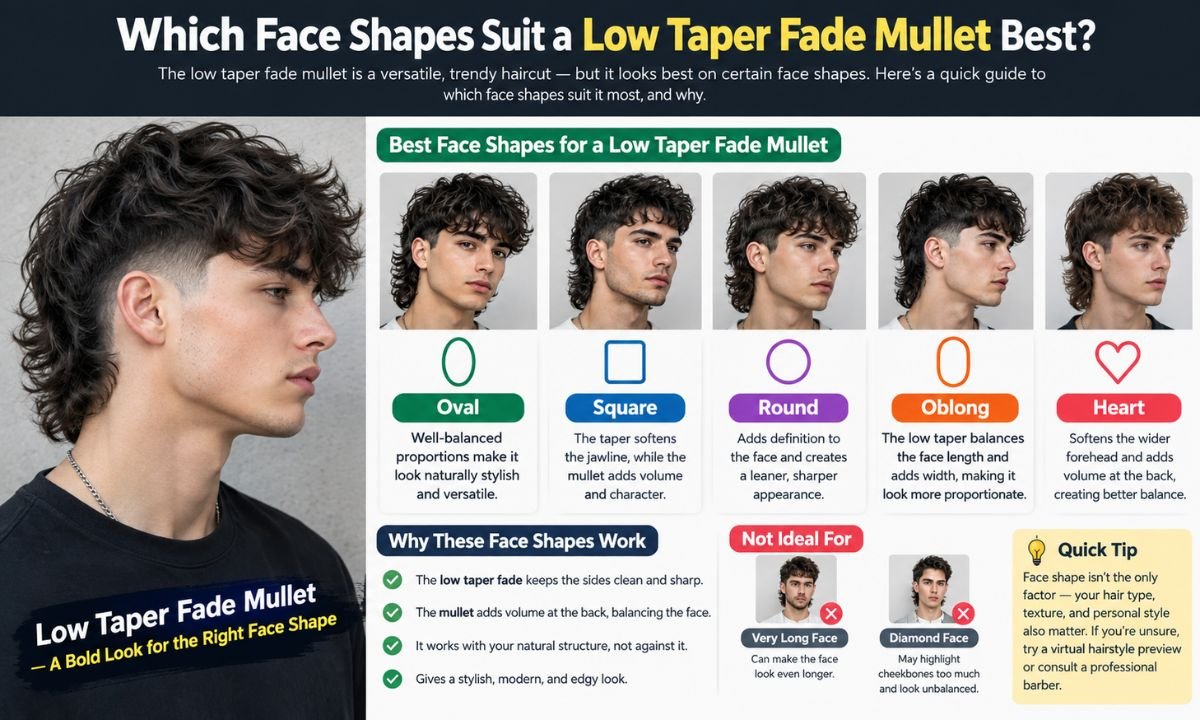
Most face shapes can wear it, but a few tweaks help. The cut adds length and movement, so it interacts with your facial structure. Let’s break it down.
Oval faces are the easiest. Almost any version works. Experiment freely.
Round faces benefit from height on top. Try a faux hawk or a textured crop. The tapered sides slim the face.
Square faces look great with textured, soft layers. They soften the strong jawline. A shaggy or wolf cut version is a good match.
Long or oblong faces need less height. Keep the top flatter and add fringe. This shortens the face visually.
Heart-shaped faces work with medium length. Add volume at the nape to balance a narrow chin. A soft fringe covers a wide forehead.
How to Ask Your Barber for the Perfect Low Taper Fade Mullet
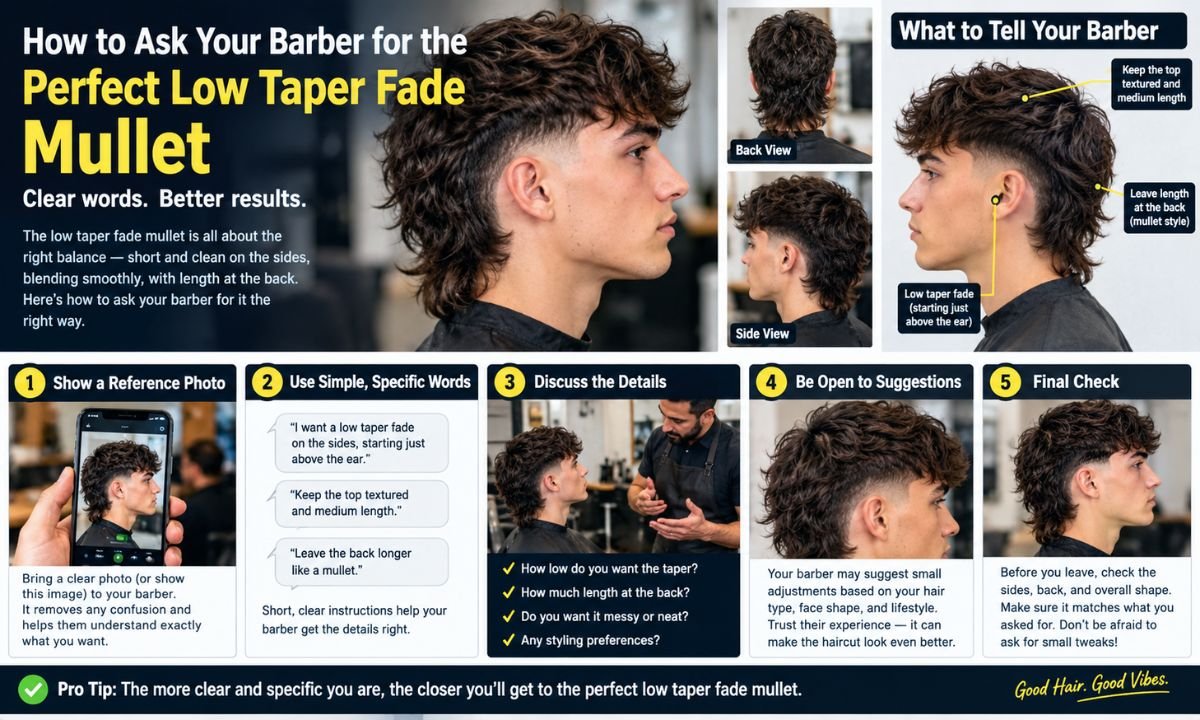
Barber visits go wrong when the words don’t match the picture. So bring photos. Show front, side, and back angles if you can.
Then use clear terms. Say “low taper fade on the sides and back, leaving length at the nape.” Add how long you want the back and top. Specific numbers beat vague words.
Ask about the neckline. Do you want it tapered, rounded, or blunt? Also mention how you plan to style it. That helps the barber choose the right texture.
Here’s a quick script you can adapt:
- “Low taper on the sides, starting just above the ear.”
- “Keep the back about four inches, with a tapered neckline.”
- “Add texture on top and leave a short fringe.”
- “I style with clay, so I want some movement.”
If your barber hesitates, ask questions. A good one will explain what’s possible with your hair. A great one will suggest improvements.
How to Style a Low Taper Fade Mullet at Home, Step by Step
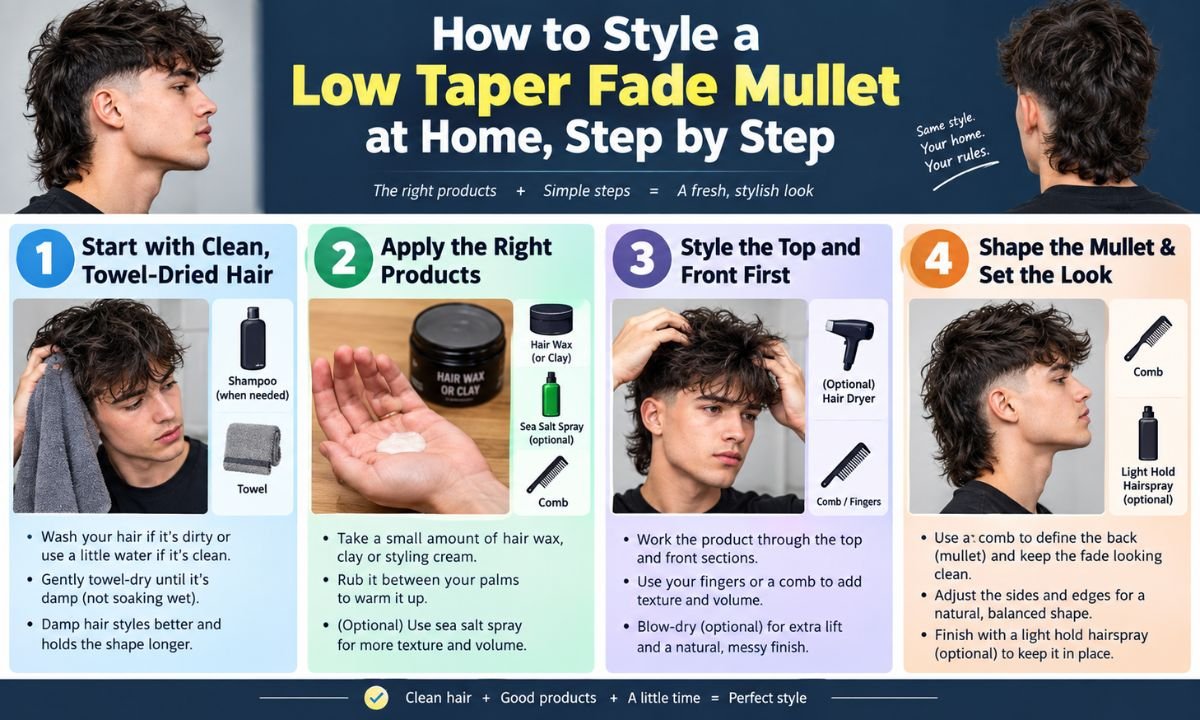
Styling takes about five minutes once you get the hang of it. Start with clean, damp hair. Towel dry it so it isn’t dripping.
Step 1: Apply a prep product. Work a little sea salt spray or mousse through damp hair. This adds grip and volume. Focus on the roots.
Step 2: Blow dry with direction. Use a low heat setting. Dry the top forward or up, depending on your look. Lift the back with your fingers for movement.
Step 3: Add your styling product. Rub a pea-sized amount of matte clay between your palms. Run it through the top and back. Add more only if needed.
Step 4: Shape and finish. Twist and pull sections to add texture. Check the sides to make sure the taper looks tidy. A light hairspray locks it in.
Slicked-back version? Swap the clay for pomade. Comb everything back and tuck the sides behind your ears if they’re long enough.
Best Products for Your Low Taper Mullet
You don’t need a shelf full of products. Three or four items cover most looks. Pick based on your hair type.
Sea salt spray gives beachy texture. It works best on wavy and straight hair. It also adds grip to fine strands.
Matte clay or paste offers hold without shine. It’s ideal for textured crops and fringes. Choose a lighter formula for fine hair.
Curl cream and leave-in conditioner keep curls defined. They fight frizz and dryness. Use them on damp hair.
Pomade delivers a sleek, polished finish. It’s the go-to for slicked-back styles. Water-based versions wash out more easily.
How Often Should You Trim and Maintain It?
The taper needs the most attention. Book a barber appointment every three to five weeks. That keeps the sides and neckline clean.
The longer sections can wait. If you’re growing the back out, you might only trim the ends every eight to twelve weeks. Just make sure the shape stays balanced.
At home, wash two to four times a week. Overwashing strips natural oils. Use a gentle shampoo and a conditioner on the ends.
Don’t skip scalp care, either. A healthy scalp grows healthier hair. Massage it while you shampoo.
Common Low Taper Mullet Mistakes to Avoid
Even a great cut can go wrong. Here are mistakes barbers often see.
Going too high with the fade. A high fade turns the cut into a different style. Keep it low if you want the subtle look. Say “low” clearly.
Letting the back get too thin. Wispy ends look messy, not stylish. Regular trims keep the ends full. Ask your barber to cut them with intention.
Using too much product. Heavy gel or wax weighs the hair down. It also makes the mullet look greasy. Start small and add gradually.
Ignoring the neckline. A scruffy nape ruins a clean taper. Book touch-ups between full cuts. Some barbers offer quick neckline cleanups.
Copying a photo without checking your hair type. A picture of thick, wavy hair won’t translate onto fine, straight strands. Show your barber the photo, then ask what will realistically work. That one honest chat saves you months of regret.
Skipping the consultation. Some people sit down and just say “the usual.” A mullet isn’t the usual. Take two minutes to walk through length, taper height, and neckline before the clippers turn on.
How Much Does a Low Taper Mullet Cost?
Prices vary by city and shop. A standard men’s cut with a taper often runs from $25 to $60 in the US. Premium salons charge more. Barbers who specialize in mullets may charge extra for the detail.
Factor in the upkeep. If you visit every four weeks, the cost adds up. Budget for products too.
Some shops offer neckline cleanups at a lower price. Ask about it. It can stretch your cut and save money.
Low Taper vs. Mid Taper vs. High Taper Mullet
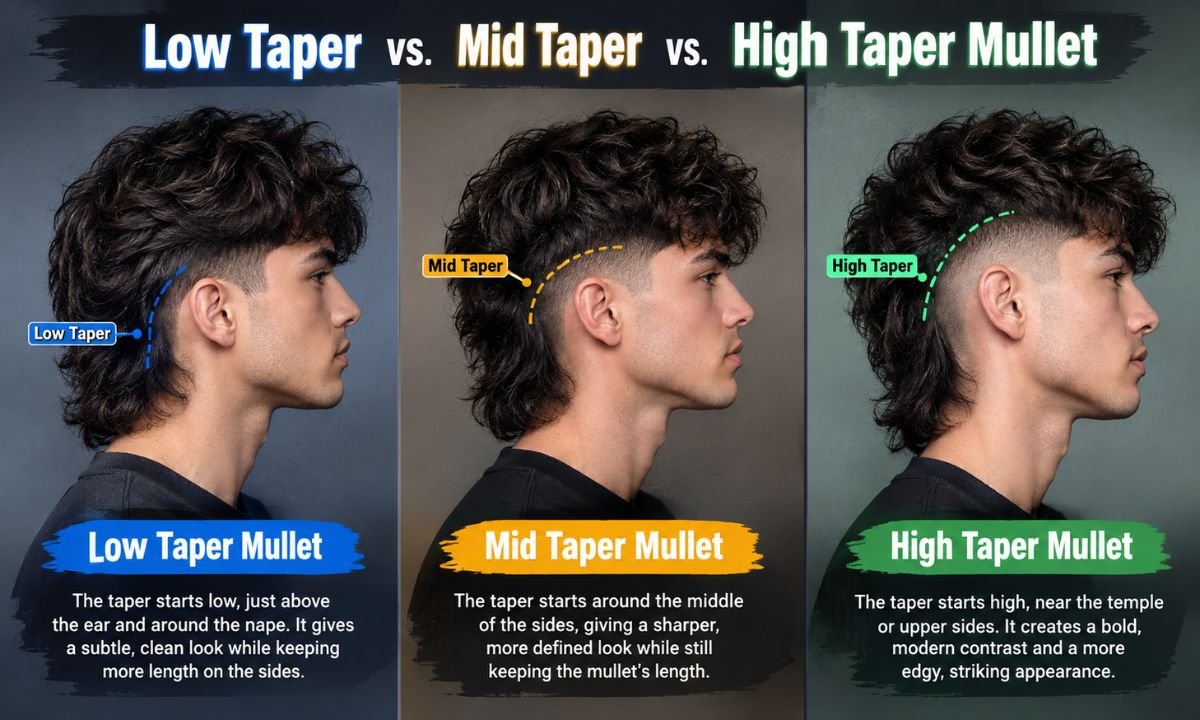
The difference is where the fade starts. A low taper begins near the ears and neckline. A mid taper starts around the temples. A high taper climbs higher up the head.
Low tapers are the most subtle and versatile. They suit office settings and casual outings alike. Mid tapers add contrast without going extreme.
High tapers give the sharpest, boldest look. They also need the most maintenance. If you want a mullet that turns heads, this is the pick.
Low Taper Mullet vs. Burst Fade Mullet
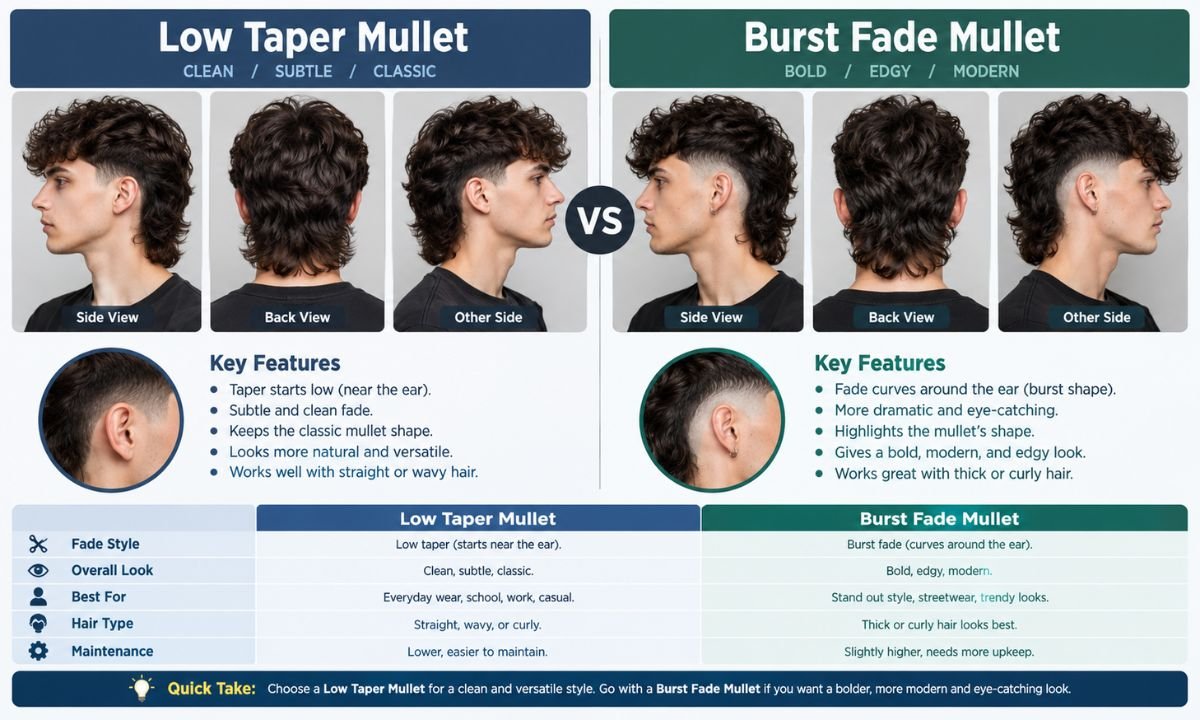
Here’s a comparison people search for a lot. A burst fade curves around the ear and fades out at the nape, like a half circle. A low taper follows the natural hairline in a straighter, softer line.
The burst fade looks sharper and more dramatic. It suits guys who want a graphic, high-contrast shape. The low taper feels calmer and easier to grow out.
So which one should you pick? If you want subtle, go low taper. If you want the sides to look bold and clearly designed, ask about a burst.
What’s Trending With the Low Taper Mullet in 2026
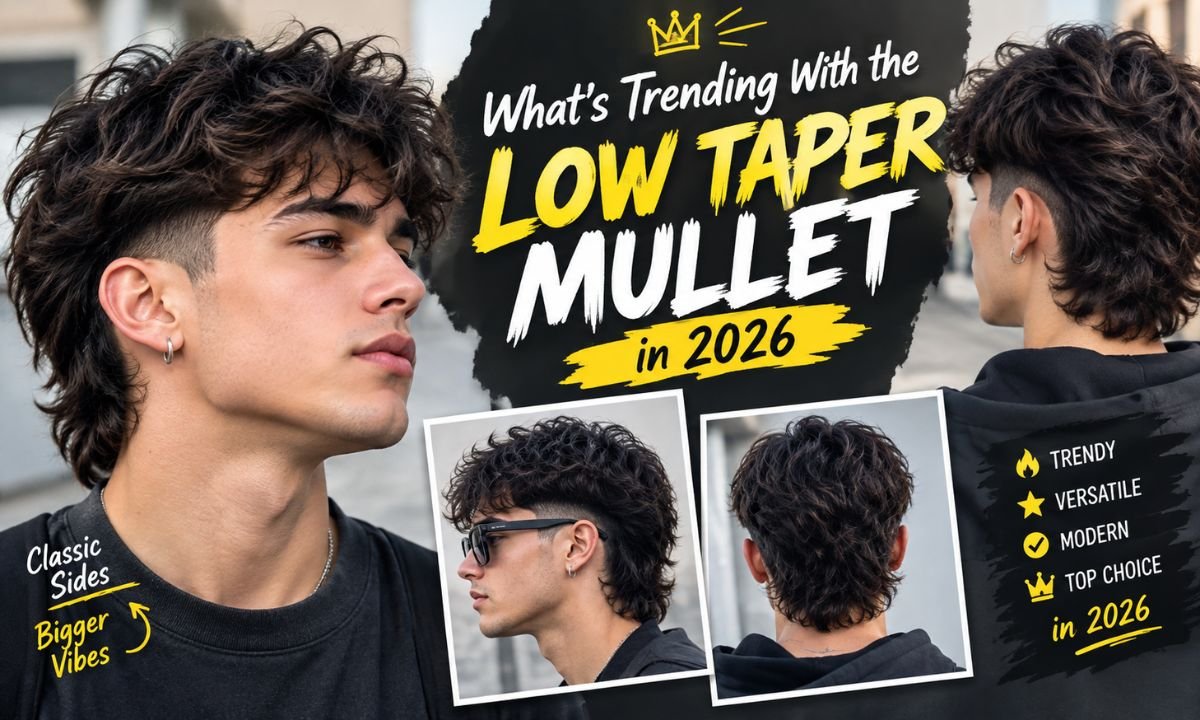
The mullet isn’t a fad that faded. It keeps evolving, and barbers keep tweaking it. Here are the directions we see most often.
Softer, more natural texture is winning. People want movement, not stiff, sprayed-down hair. Air-dried finishes and light creams fit that mood.
Shorter, cleaner nape lengths are also popular. The “mini mullet” gives you the shape without the commitment. It’s a great trial run if you’re nervous.
Color accents are back too. Subtle highlights and tipped ends add depth without shouting. Keep them low key and the cut stays wearable.
Low Taper Mullet Myths Worth Ignoring
“You need long hair to pull it off.” You don’t. A short mullet works with just a couple of inches at the back. Length is a dial, not a requirement.
“It only works on certain hair types.” Straight, wavy, curly, and coily hair can all wear it. The technique changes, though. Tell your barber what you’re working with.
“It’s unprofessional.” It can be, if it’s wild and unkempt. A tidy low taper with a controlled top looks polished. Plenty of offices are fine with it.
“It’s a one-size-fits-all cut.” Not even close. Face shape, hairline, and texture all change the result. That’s why the consultation matters.
Is a Low Taper Mullet Office Friendly?
Often, yes. It depends on your workplace and how you style it. The neat sides and controlled length look professional.
Slick it back, and it passes in most offices. Keep the top tidy and the neckline clean. Skip extreme colors if your company is conservative.
If you’re unsure, ask around. Look at what colleagues wear. Or start with a shorter version and go bolder over time.
How to Grow Out a Mullet With a Low Taper
Growing a mullet takes patience. Hair grows about half an inch a month. So expect several months for a full look.
Keep the sides trimmed while the back grows. That keeps the shape intentional. Otherwise you’ll hit the awkward phase, and it’s rough.
Push through the awkward stage with hats, styling products, and regular neckline cleanups. Trim split ends every couple of months. Your patience will pay off.
How to Find the Right Barber for a Low Taper Mullet
Not every barber loves cutting mullets. Some stick to classic fades and short back and sides. You want someone who understands layering and length together.
Start with their portfolio. Scroll through their Instagram or shop page. Look for blended tapers, soft layers, and clean necklines on longer hair.
Then check the reviews. Search for words like “layers,” “texture,” or “mullet.” Comments that mention those details tell you far more than a plain five-star rating.
Finally, book a short consultation if the shop offers one. Five minutes of talking can save you an awkward haircut. A good barber will ask about your routine before touching the clippers.
How to Clean Up Your Neckline at Home
Between appointments, the nape gets messy first. You can tidy it yourself with a little care. Just go slowly, because a bad line is hard to hide.
Use a small trimmer with a clean guard. Work upward in short strokes, and only remove the fuzz below the shape your barber created. Don’t chase a new line.
Ask a friend or use two mirrors to see the back. Take off less than you think you need. You can always trim more, but you can’t glue it back.
If it looks uneven, stop. Book a quick neckline cleanup instead. Most shops charge a small fee, and it beats fixing a slip.
Low Taper Mullet Care Through the Seasons
Your hair changes with the weather. Summer sun, winter heaters, and humid days all affect the mullet. A few small tweaks keep it looking fresh year round.
In summer, sun and chlorine dry out the longer nape. Rinse after swimming and use a light leave-in conditioner. A hat helps protect the ends too.
In winter, dry indoor air causes static and flyaways. Switch to a slightly richer cream. Skip very hot showers, since they strip oils from your scalp.
On humid days, frizz shows up fast. Use a smoothing product on the back section. A bit of anti-frizz serum goes a long way.
Low Taper Mullet Across Different Ages
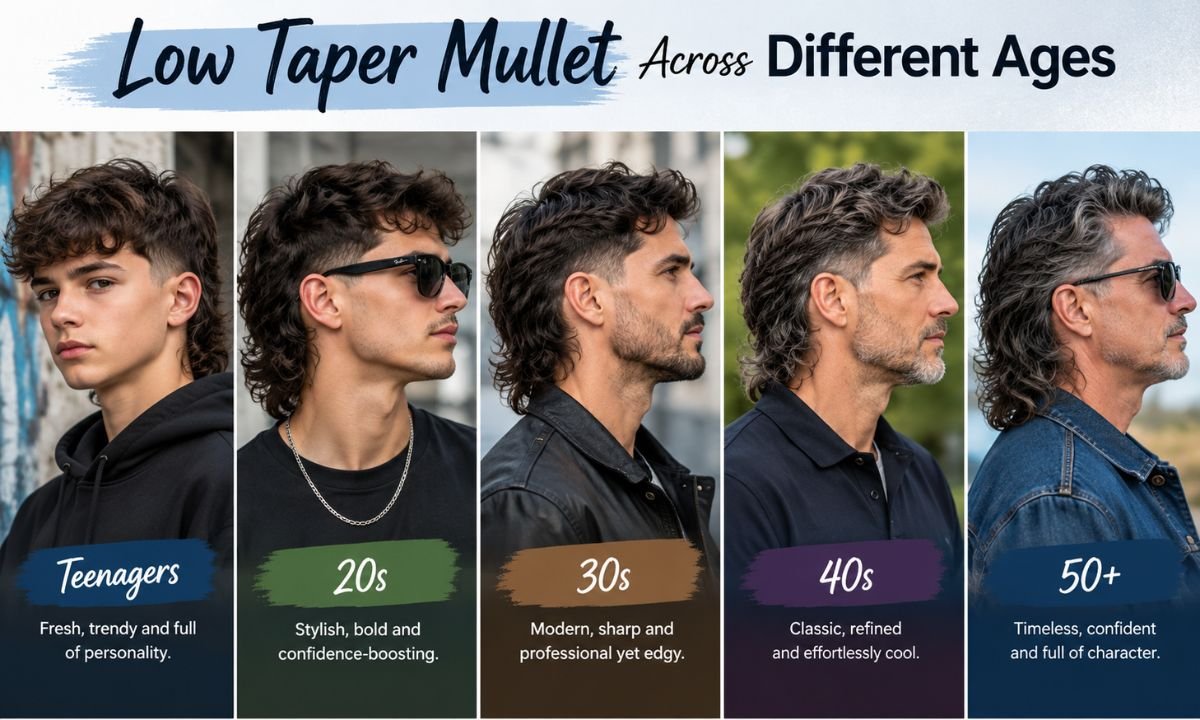
The cut isn’t just for twenty-somethings. Barbers adjust it for age, hair density, and lifestyle. Here’s how it usually plays out.
Teens often go for longer, messier versions. They want texture and attitude. A low taper keeps the sides tidy enough for school rules.
Guys in their twenties and thirties tend to experiment with color and shape. They’re comfortable with bolder layers and fringe. It’s a good time to try the wolf cut hybrid.
Men in their forties and beyond often like the shorter, cleaner version. It hides thinning better and needs less styling. A tapered neckline keeps things looking sharp.
Whatever your age, the goal stays the same. Pick a shape that suits your hair and your daily life. Confidence does the rest.
Tools You Need for Home Styling
You don’t need a barber’s toolkit. A few basic tools cover almost everything. Buy quality items once instead of cheap ones twice.
- A wide-tooth comb for detangling without pulling.
- A soft brush for smoothing the back section.
- A blow dryer with a diffuser for curly and wavy hair.
- Sectioning clips to keep layers separate while you style.
- A small trimmer for light neckline touch-ups.
Keep everything clean. Product buildup on brushes transfers back onto your hair. Wash them every couple of weeks.
Final Checklist Before Your Next Haircut
Before you head to the barber, run through a quick list. It takes two minutes and prevents most bad cuts. Think of it as a pre-flight check.
- Save two or three reference photos from different angles.
- Decide how long you want the back and the top.
- Choose your taper height and neckline shape.
- Think about how much time you’ll spend styling.
- Check that your barber has experience with layered cuts.
Print it or save it on your phone. You’ll walk into the shop with real clarity. And your barber will appreciate it.
Frequently Asked Questions
Is a low taper mullet a thing?
Yes, it’s a popular modern haircut. It combines a mullet’s length with a soft fade on the sides. Barbers see requests for it all the time.
What is a low taper fade mullet?
It’s a mullet where the sides and back taper low around the ears and neck. The top and nape stay longer. The result looks neat but relaxed.
How long does hair need to be for a mullet?
Aim for at least three to four inches on top and a bit more at the back. That length lets your barber build layers. Shorter hair can work for mini mullets.
Is the mullet still in style in 2026?
Yes, it’s still going strong. The modern versions are cleaner and more polished than the old ones. Low taper variations lead the trend.
How do you style a low taper mullet?
Start with damp hair and a texturizing product. Blow dry with direction, then finish with clay or paste. Sea salt spray adds extra movement.
What face shape suits a mullet?
Oval faces are the easiest fit, but other shapes work with small tweaks. Round faces do well with height. Long faces benefit from a fringe.
How often should you get a mullet trimmed?
Every three to five weeks keeps the taper sharp. The longer parts can wait longer. Neckline touch-ups help in between.
Can you get a mullet with curly hair?
Absolutely. Curly hair gives the style extra volume and personality. Moisture and gentle cutting are the keys.
Final Thoughts
The low taper mullet proves that a bold haircut can still feel polished. It’s flexible, stylish, and easy to adapt. You can wear it sleek or shaggy.
Start with a clear idea of your hair type and lifestyle. Bring photos to your barber and be specific. Then build a simple routine at home.
Tried this cut, or thinking about it? Drop a comment with your hair type and questions. Share this guide with a friend who’s been eyeing a mullet.
